Buying Near The Marina In Des Moines: Key Considerations
May 28, 2026
May 28, 2026
If you love the idea of living by the water, Des Moines Marina can check a lot of boxes. You get Puget Sound access, walkability, dining, public spaces, and a setting that feels more active than many nearby shoreline areas. But buying near the marina also comes with tradeoffs, from parking and seasonal activity to view protection and saltwater wear. If you are weighing whether this part of Des Moines fits your lifestyle and long-term goals, this guide will help you look at the decision with clear eyes. Let’s dive in.
The Marina District is not just a row of homes by the water. City materials describe it as a mixed-use waterfront core centered on downtown, the marina, and Beach Park, with single-family homes, multi-family residences, and retirement communities in and around the district.
That matters because the housing feel is different from a quieter inland neighborhood. Near the marina, you are more likely to find condos and low-rise multi-family properties mixed with commercial uses, pedestrian-oriented streets, and public gathering spaces.
The setting is also a big part of the appeal. Des Moines sits between Seattle and Tacoma, and the city positions the marina next to its small-town shopping district. For many buyers, that means you are getting a waterfront lifestyle with urban convenience rather than a tucked-away resort feel.
For some buyers, being near the water is mostly about the view. For others, it is about actually using the waterfront. The Des Moines Marina is a full-service facility on Puget Sound with wet and dry moorage, fuel service, and amenities for permanent and guest moorage customers.
That can shape how you value a home nearby. A property close to the marina may appeal not just because it is near the water, but because it makes boating and waterfront use easier to fit into your everyday life.
Views are one of the biggest reasons buyers focus on marina-adjacent homes. Research shows scenic views often influence home prices, and waterfront properties have historically carried a premium in many markets.
Still, the key point is not just proximity. The value of a view usually depends on its quality and how likely it is to remain in place over time.
In Des Moines, that issue is especially important because the city’s Marina District guidelines address view corridors, waterfront character, and how new development relates to surrounding streets and open space. If a home’s value depends heavily on the view, you will want to look closely at whether that view appears protected, likely to persist, or vulnerable to future redevelopment or changes nearby.
The marina area is not standing still. The Marina Steps project is designed to create a public view corridor from downtown to the marina floor, with accessible walkways, gathering spaces, and room for seasonal events.
Regional planning materials also point to broader marina-area improvements, including better pedestrian links, upgraded marina facilities, and opportunities for maritime business and retail. For buyers, that can be a positive sign for long-term desirability and resale.
At the same time, active projects can bring temporary inconvenience. If you are sensitive to construction activity or changes in traffic flow, it is smart to ask how current and planned public projects may affect the area in the near term.
One of the most practical differences between living near the marina and living inland is parking. The marina and beach park use paid parking, lots generally operate from 5 a.m. to 10 p.m., and overnight parking requires a marina-issued permit.
That means you should not assume easy, free parking for guests or unlimited convenience for frequent waterfront use. Resident and non-resident frequent-user passes are available, but it is still important to understand how building parking, guest parking, and marina parking work together before you buy.
This is especially relevant if you regularly host visitors or expect a seamless in-and-out lifestyle. A home that feels perfect on paper can function very differently if parking is more limited than you expected.
The marina district is active by design. The city says the Waterfront Farmers Market runs every Saturday from June through October with 60 vendors, and city materials describe the district as a place with restaurants, bistros, evening dining, dancing, and sports bars.
That liveliness is a big part of the draw. You may love being able to walk to events, dining, shops, and waterfront destinations.
But activity also means more foot traffic, more event use, and more ambient noise than you would typically find on a purely residential block. If quiet is high on your list, try visiting at different times of day and in different seasons to get a more complete feel for the area.
Living close to saltwater can be rewarding, but it can also be harder on materials. Coastal exposure can increase corrosion, which makes ongoing maintenance more important for exterior finishes, metal components, decks, windows, and related features.
That does not mean marina-area homes are poor choices. It simply means you should evaluate condition carefully and think about future upkeep as part of the true cost of ownership.
This is one area where a careful property review matters. A home with strong design appeal and a great location can still require more attention over time if it is consistently exposed to salt air and marine weather.
If you are buying with future improvements in mind, be sure to understand the local rules that may apply. In Washington, shoreline development is governed by the Shoreline Management Act and local shoreline master programs, and shoreline stabilization work is closely regulated.
For buyers near the marina, that is especially important if a property includes shoreline-related elements or if you are thinking ahead about changes to exterior features. It is wise to confirm what is allowed before assuming a future project will be simple.
For many buyers, the tradeoffs are worth it because the everyday lifestyle can be very appealing. Des Moines Beach Park sits next to the marina and offers trails and beach access, and Saltwater State Park is also within the city limits as another public beach destination.
Des Moines Creek Trail adds even more daily-use value. City materials describe it as a quiet wooded two-mile leg of the Sound to Lake Trail system, giving you another recreation option beyond the waterfront itself.
The result is a neighborhood with appeal that goes beyond boating. Walkers, runners, beach users, and buyers who simply want a scenic and active setting may all see value here.
Retail convenience is part of what makes the area feel distinct. City materials describe the marina district as a place with locally owned specialty shops, fresh seafood, wine and gift shopping, and multiple dining options, with the marina next to a small-town shopping district.
For some buyers, that convenience is a major plus. Being able to step out for a meal, stroll the waterfront, or run a quick errand on foot can make day-to-day life feel easier and more connected.
For others, the same features can make the area feel less private. That is why it helps to think honestly about whether you want a more active mixed-use setting or a more traditional residential environment.
If you are comparing options within Des Moines, the marina district tends to be the most walkable and mixed-use waterfront setting. It is often the strongest fit if your priorities include marina access, restaurants, public events, and a compact district feel.
If you want easier access to parks or beaches with a quieter residential tone, city materials point to Zenith as another area to consider. Saltwater State Park and water-view residential and retirement communities are located there.
Woodmont offers a different comparison point. The city describes it as an area with waterfront homes and community beaches, which may appeal if you like the shoreline but do not want the same level of marina-district activity.
The marina district often trades some quiet and parking simplicity for stronger walkability, public access, retail convenience, and a more active waterfront lifestyle. That is not a flaw. It is simply the core tradeoff.
If you understand that clearly before you buy, you are more likely to choose a home that fits both your daily life and your long-term resale goals. The right purchase here is usually less about chasing the closest address to the water and more about matching the property, the block, and the lifestyle to what matters most to you.
When you are buying near the marina, it helps to look beyond the listing photos. View permanence, public projects, parking logistics, building condition, and the feel of the area at different times all deserve careful attention. That kind of practical analysis can make a big difference in whether a waterfront-adjacent purchase feels rewarding for years to come.
If you want clear, honest guidance as you compare waterfront-adjacent options in Des Moines and nearby neighborhoods, Monroe Kemper Team / Windermere West Metro – Scott Monroe & Molly Kemper can help you evaluate the tradeoffs, the condition, and the long-term value with confidence.
Stay up to date on the latest real estate trends.

Where to Eat Outside in West Seattle This Season.

Exploring Seattle's seawall project and its reshaping of the city's downtown waterfront.

Your guide to the future of lavish living, where innovation meets comfort and style.

West Seattle is a beautiful place to be when autumn arrives.
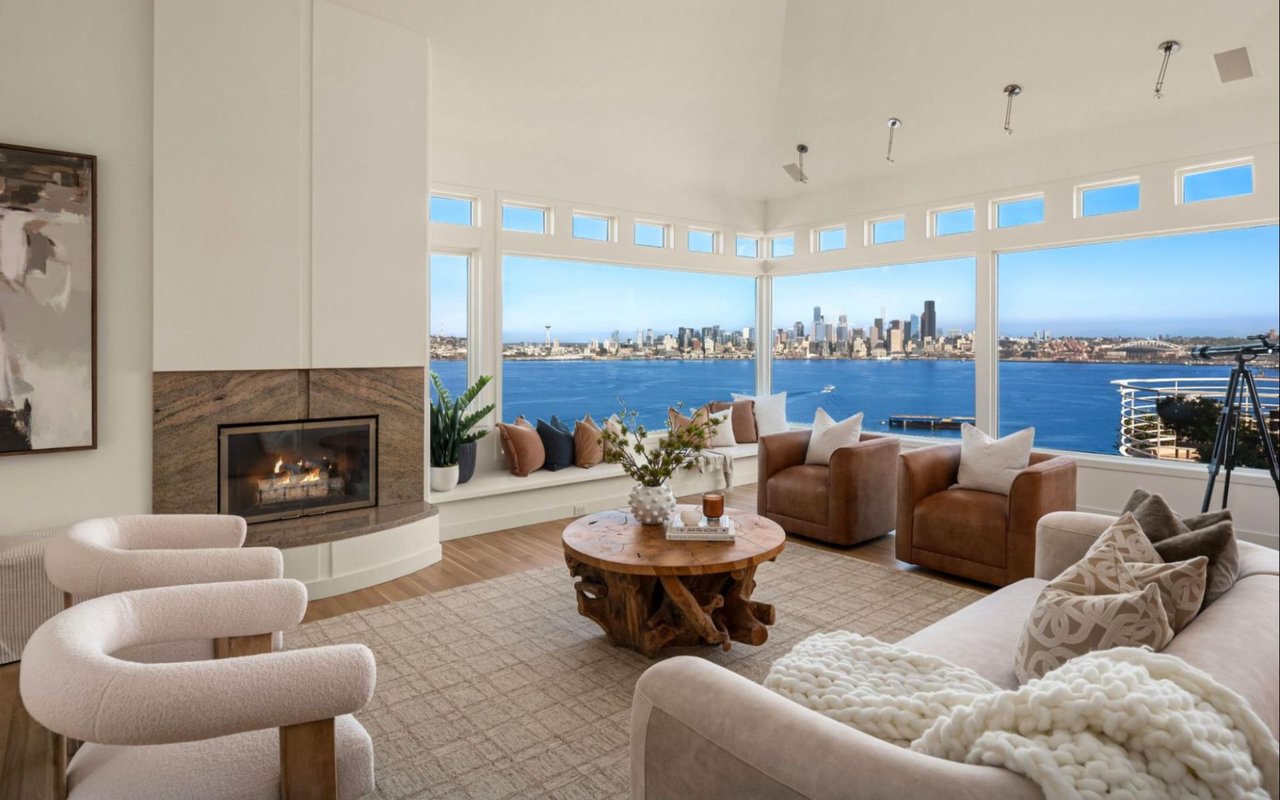
Your guide to finding the perfect balance of elegance, comfort, and connection in the West Seattle real estate landscape.
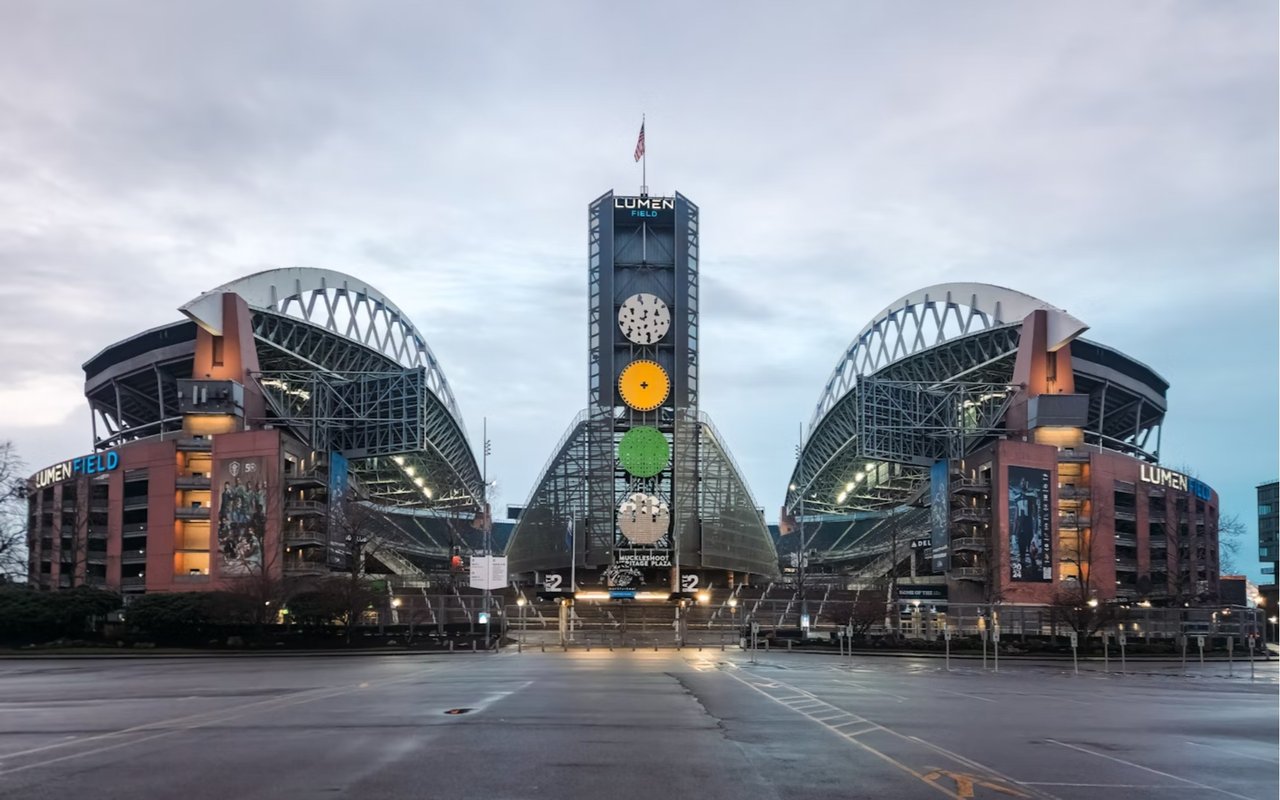
Downtown Seattle will be an epicenter of World Cup festivities.