What West Seattle Micro-Neighborhoods Mean for Home Values
May 14, 2026
May 14, 2026
Wondering why one West Seattle home sparks multiple offers while another just a few minutes away lands in a different price range? If you are buying or selling here, that question matters because West Seattle is not one simple market. It is a group of micro-neighborhoods, each shaped by its own mix of views, access, walkability, housing stock, and future transit. Understanding those differences can help you price more accurately, shop more strategically, and make better timing decisions. Let’s dive in.
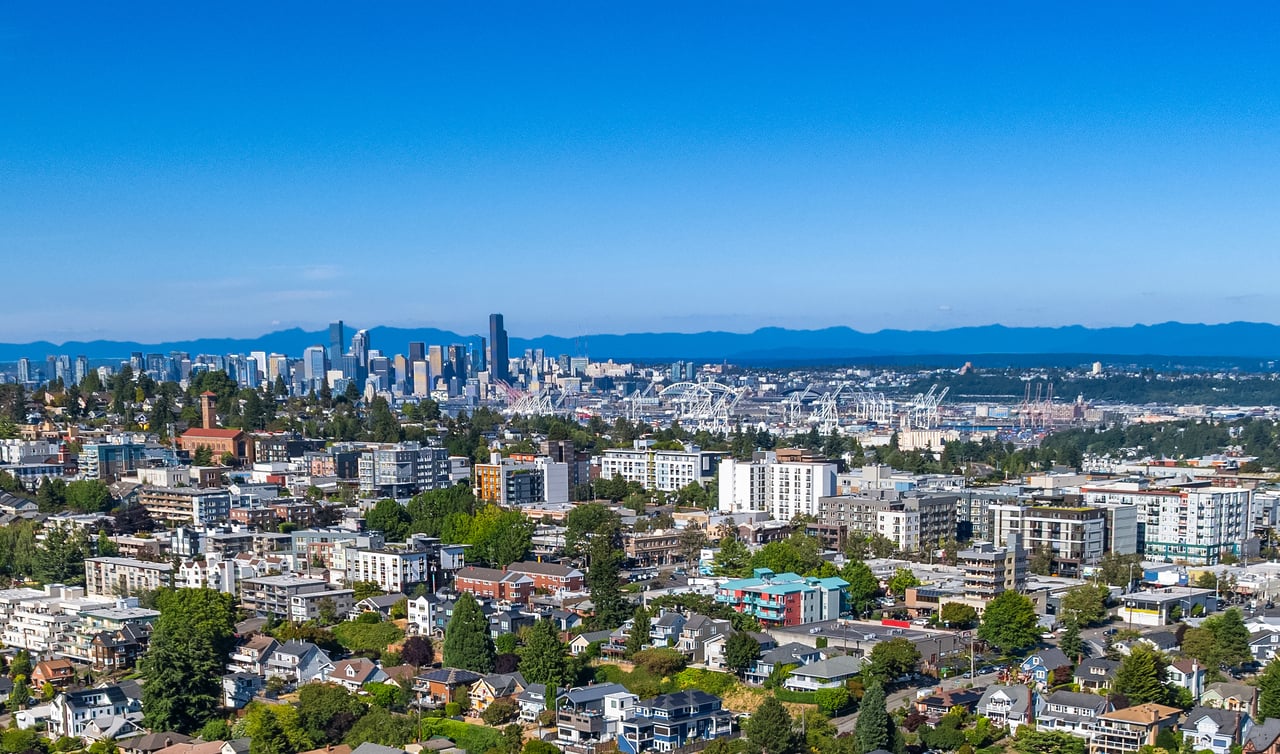
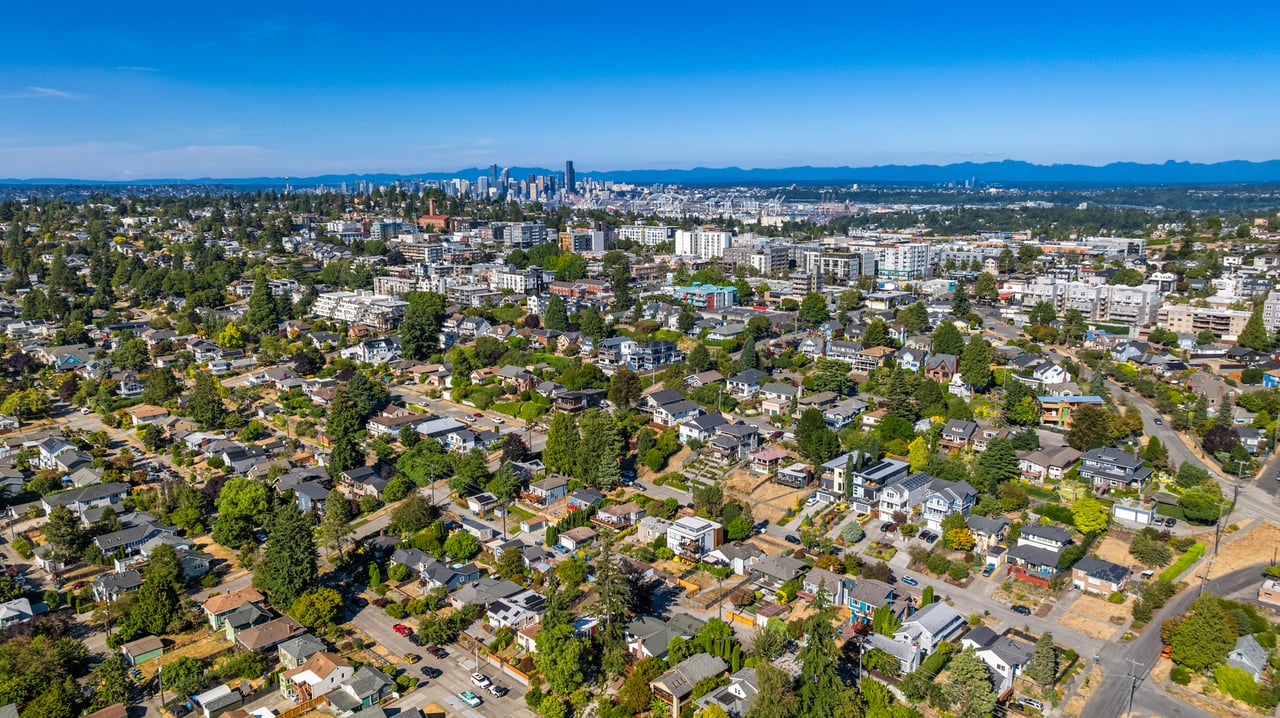
West Seattle is best understood as a cluster of smaller housing markets rather than one broad price band. That matters because two homes with similar size can perform very differently depending on where they sit on the peninsula and what kind of lifestyle they offer.
Seattle’s neighborhood tools also note that neighborhood boundaries are informal, and snapshot areas are rough approximations. In real life, buyers often think in terms of small pockets like Alki, Admiral, Fauntleroy, Gatewood, Genesee, or Delridge. Those distinctions show up clearly in pricing and competition.
One of the clearest value drivers in West Seattle is proximity to water and the presence of views. Housing research consistently shows that water access and views can be reflected in home prices, and West Seattle gives you a very visible local example of that pattern.
Alki and Admiral sit at the top of that value story. Zillow’s typical home value is $1,093,730 in Alki and $1,061,115 in Admiral, both well above Seattle’s benchmark of $837,193. If a home offers shoreline access, sweeping outlooks, or a location closely tied to the waterfront, buyers often price that lifestyle into what they are willing to pay.
Walkability is another major factor, but it is not evenly distributed across West Seattle. Some pockets put cafes, shops, parks, and errands within easy reach, while others trade that convenience for quieter residential patterns or larger lots.
That spread shows up in the data. Redfin reports a Walk Score of 96 for Alki listings, 71 for North Admiral, and 48 for Fauntleroy. The Alaska Junction is also a walkable, connected, transit-oriented neighborhood, which helps explain why areas tied to that corridor often draw strong buyer interest.
Access has been a major part of the West Seattle value conversation in recent years. The reopening of the West Seattle Bridge on September 17, 2022 restored a key connection, and that has ongoing importance for buyers who regularly travel to other parts of Seattle.
Transit is also shaping future value expectations. King County Metro’s RapidRide C Line serves South Lake Union, Downtown Seattle, West Seattle, Alaska Junction, Fauntleroy, and Westwood Village, while the H Line connects Burien, White Center, Westwood Village, Delridge, and Downtown Seattle. Sound Transit says the West Seattle Link Extension will add 4.1 miles of light rail with up to four stations, including Delridge and Alaska Junction, with service expected in 2032, though the exact plan has yet to be finalized.
Alki is one of the clearest examples of a premium micro-market in West Seattle. Its typical home value of $1,093,730 puts it well above the city benchmark, and its value story is closely tied to waterfront proximity, views, and a highly walkable setting.
For buyers, Alki often means paying more for location-driven lifestyle benefits. For sellers, it means presentation and pricing should reflect not just the house itself, but also the experience of being there.
Admiral, including North Admiral, is another premium pocket. Zillow places This area does not rely as heavily on a pure waterfront identity as Alki, but it still carries a strong convenience and location premium. Buyers often respond to the balance of residential character, access, and nearby amenities.
Fauntleroy does not fit the same mold as Junction-centered or beach-centered areas, but it has a strong value story of its own. Here, the appeal is less about dense walkability and more about ferry access, Lincoln Park, and established residential appeal. That means buyers comparing Fauntleroy to more urban-feeling pockets need to think carefully about which amenities matter most to them.
Some West Seattle neighborhoods land in a middle tier where pricing is still strong, but the premium is not as tied to waterfront or top-tier views. Genesee and Gatewood are good examples. While there are a host of luxury homes with views, many fit this middle-ground story. These neighborhoods often appeal to buyers looking for a balance of access, value, and residential feel.
Arbor Heights offers a useful and more affordable contrast to West Seattle’s top premium zones. In pockets like this, buyers may focus more on lot size, condition, layout, and updates than on a built-in amenity premium. For sellers, that can make pre-listing improvements and thoughtful presentation especially important.
These communities are some of the clearest examples of a price-access tradeoff, appealing to buyers looking for a lower entry point into West Seattle while still staying connected to major routes and transit. They also stand out because city planning is treating Delridge as a transit-oriented growth area around future light rail, which gives this pocket a different kind of long-term value conversation.
If you are shopping in West Seattle, it helps to think beyond the label of the neighborhood and focus on the value drivers that matter most to you. A lower-priced pocket is not automatically a better deal, and a higher-priced one is not automatically overpriced. Often, you are paying for a different mix of access, views, walkability, and housing style.
Start by ranking your priorities. Ask yourself whether your top need is beach access, walkability, commute convenience, park access, lot size, or room to improve a home over time. The answer can quickly narrow which micro-neighborhoods fit your goals.
It also helps to understand competition by pocket. In faster, higher-premium areas like Alki, Admiral, Fauntleroy, and Genesee, buyers may need to move quickly and write cleaner offers. In lower-priced pockets, there may be more room to evaluate tradeoffs and negotiate based on condition, location, or future work needed.
If you are selling in West Seattle, the biggest takeaway is that broad market averages only go so far. Your home should be priced and positioned based on the specific micro-neighborhood dynamics around it, not just the larger West Seattle headline numbers.
That is especially important in areas where buyers are comparing fine-grained differences in lifestyle. A home in Alki may need its value story built around water proximity and walkability. A Fauntleroy property may benefit from a different emphasis, such as ferry access, park proximity, or established residential setting.
In more value-sensitive pockets like Arbor Heights or Delridge, condition and presentation can play an even bigger role. Buyers in these areas may be more focused on how a home lives, what work has been done, and how it compares with nearby alternatives at similar price points.
In a market with fast sales, multiple offers, and meaningful price differences from one pocket to the next, local interpretation matters. If you want help understanding how your specific block, lot, condition, and micro-neighborhood may affect value, the Monroe Kemper Team / Windermere West Metro – Scott Monroe & Molly Kemper can help you think it through with clear, practical guidance.
Stay up to date on the latest real estate trends.