Is Normandy Park The Right Move For Your Next Chapter?
June 4, 2026
June 4, 2026
If you are thinking about a quieter setting for your next move, Normandy Park may already be on your radar. It offers a very different feel from many nearby Seattle-area communities, with larger lots, mature trees, and a pace that feels more residential than retail-driven. If you are trying to decide whether that lifestyle fits your next chapter, this guide will help you weigh the benefits, tradeoffs, and nearby alternatives. Let’s dive in.
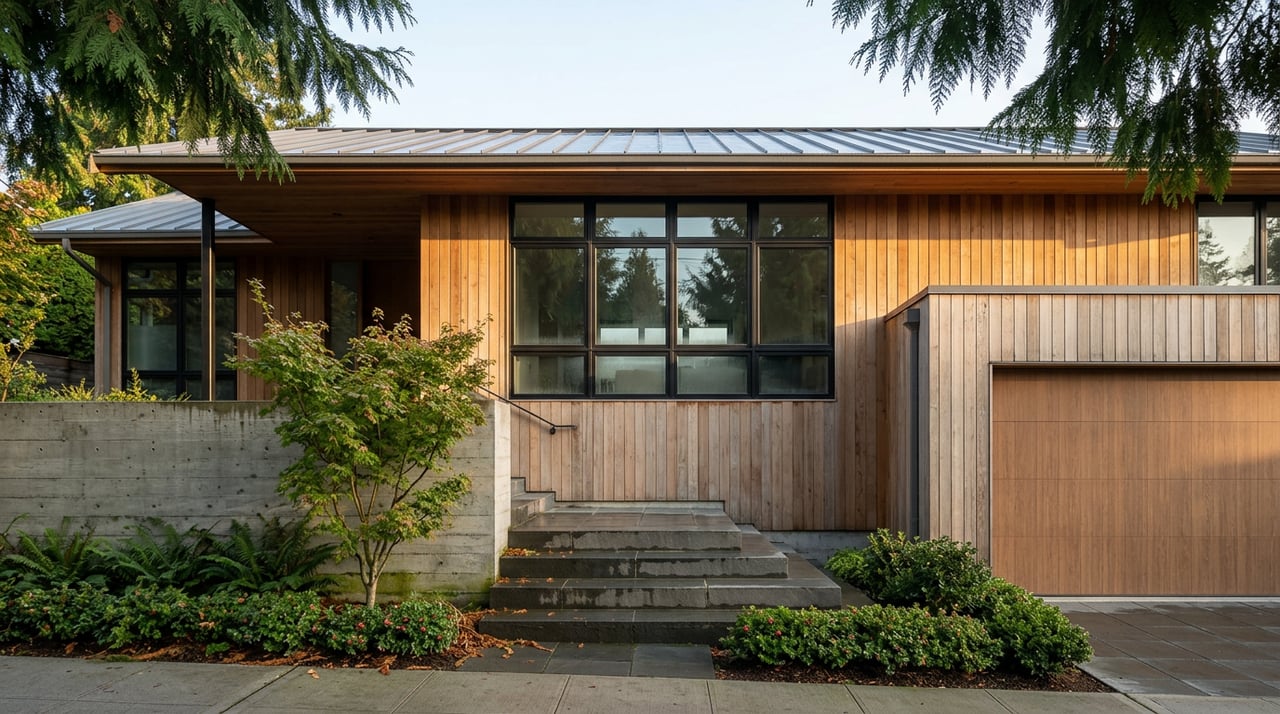
Normandy Park is a low-density residential city in South King County that was incorporated in 1953. It's mostly a community made up of single-family homes, with lot sizes primarily ranging from 7,200 square feet to several acres. That pattern helps explain why the city feels spacious, wooded, and established.
In the city’s 2044 planning surveys, residents repeatedly described Normandy Park as a safe small town. They also pointed to greenspaces, The Cove, and neighborhood-scale commercial areas as some of the city’s defining assets. For many buyers, that adds up to a place that feels calm and rooted rather than busy or highly urban.
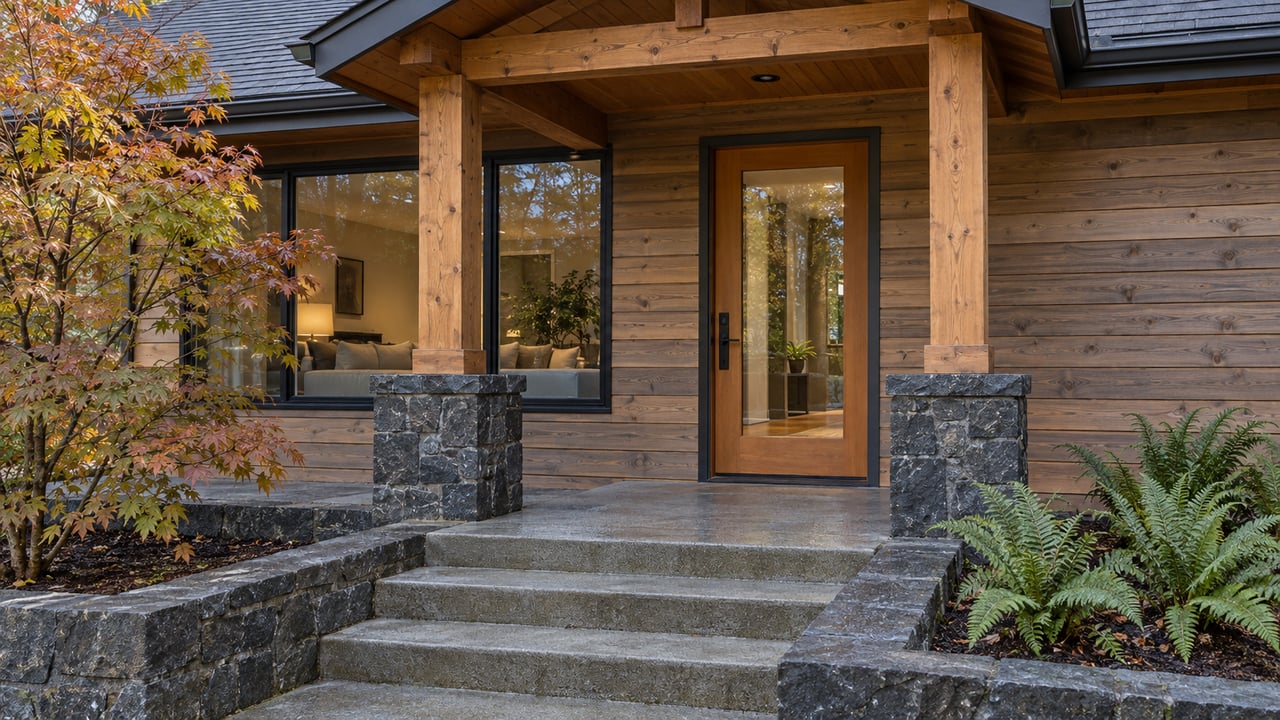
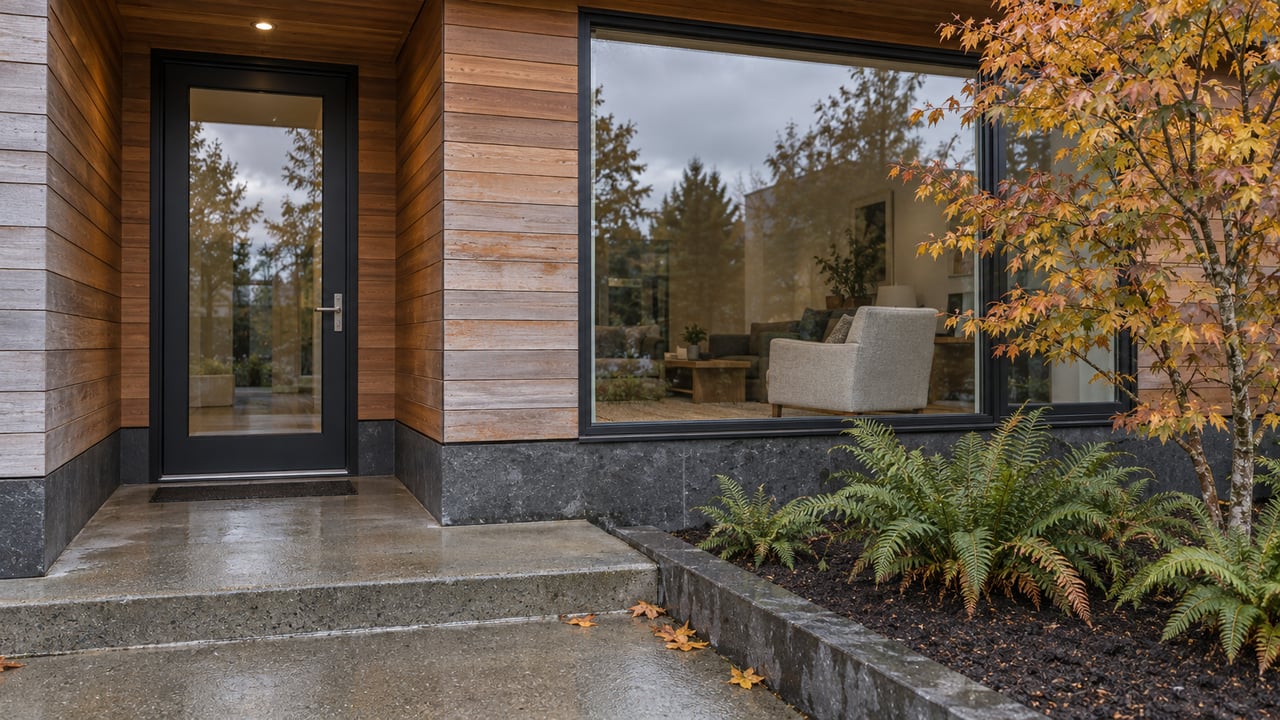
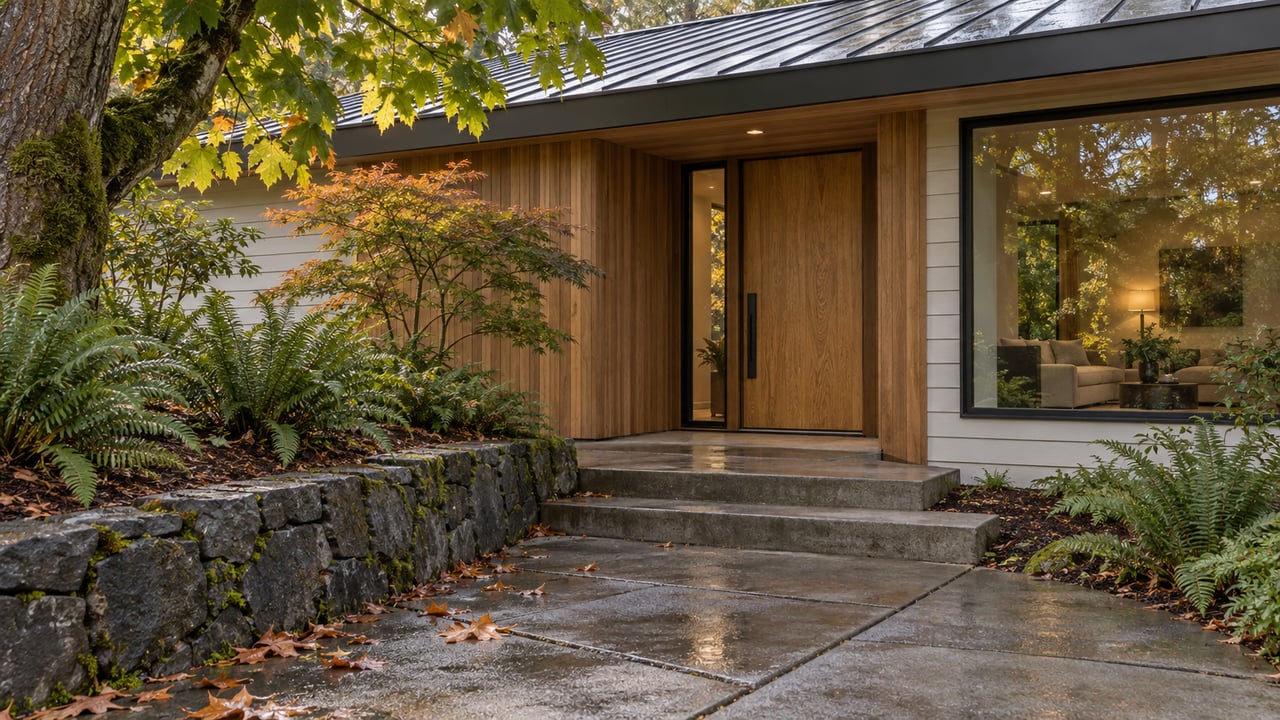
Normandy Park can be a strong match if you want more breathing room in your daily life. If your next chapter includes prioritizing privacy, mature landscaping, and a quieter atmosphere, this city stands out from more active nearby hubs. It tends to appeal to buyers who value setting and space as much as square footage.
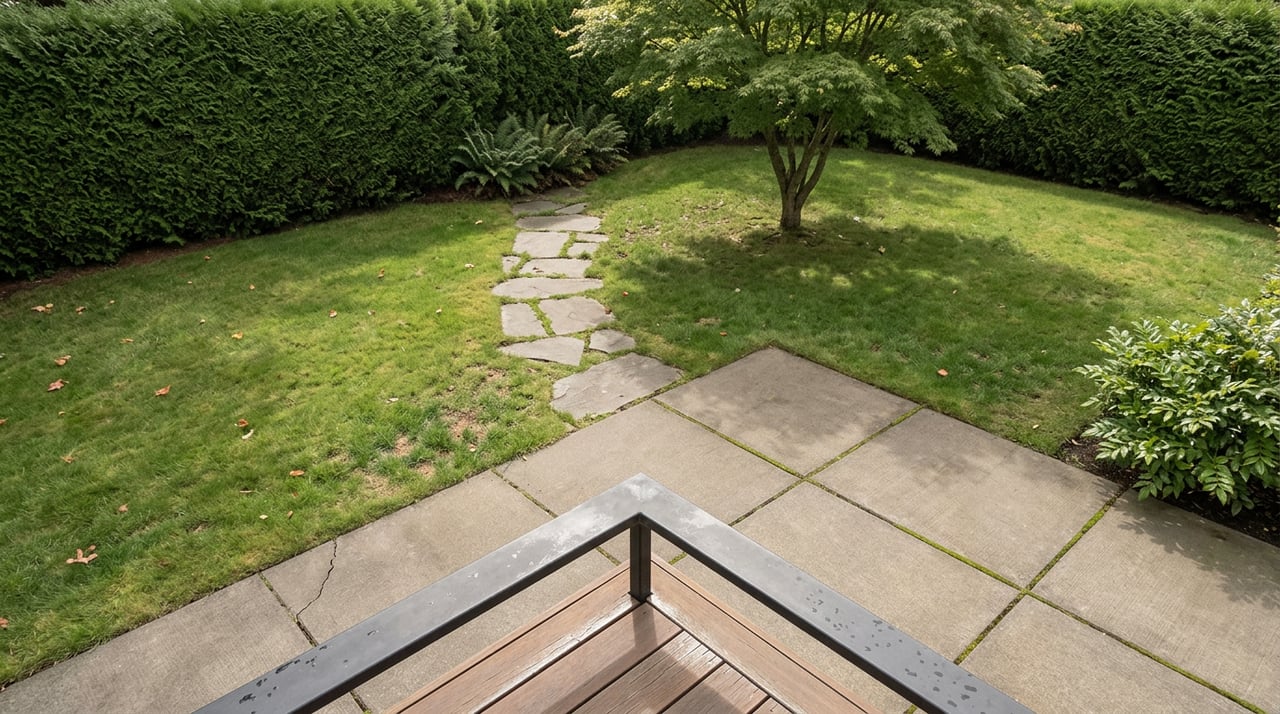
It can also work well if you want a home that feels established and gives you room to personalize over time. Larger lots can mean more flexibility for outdoor living, gardening, or future improvements. At the same time, that extra space often comes with more upkeep, so it is important to be realistic about what kind of maintenance you want in your next home.
One of Normandy Park’s clearest strengths is its natural setting. City park materials vary on the exact total acreage, but they consistently show that green space is a defining part of the community. This is not a place where parks feel like an afterthought.
The city describes wooded settings, rustic walking paths, and pocket parks spread throughout the area. That gives many parts of Normandy Park a tucked-away, neighborhood-first feel. If you are looking for a place where trees and open space shape the experience of living there, that is a meaningful advantage.
Several parks help illustrate the city’s rhythm. Marvista Park includes play equipment, garden patches, a rose garden, a gazebo, an ADA-accessible trail, and the city’s Music in the Park concert series. City Hall Park includes athletic fields, basketball, and a play area.
There are also lower-intensity nature preserves, which reinforce the city’s quieter identity. Instead of feeling built around major commercial activity, Normandy Park feels built around residential living and access to nature. For many buyers, that is exactly the point.
Normandy Park’s walking system includes three loops. The Red Loop is about 2.2 miles, the Yellow Loop is about 2.6 miles, and the Green Loop is about 2.3 miles. The city describes all three as hilly, with the Green Loop being the least steep.
That matters if ease of mobility is part of your home search. If flat walking routes or aging-in-place convenience are top priorities, the terrain is something to consider carefully. The scenery may be a plus, but the hills are a real part of daily life.
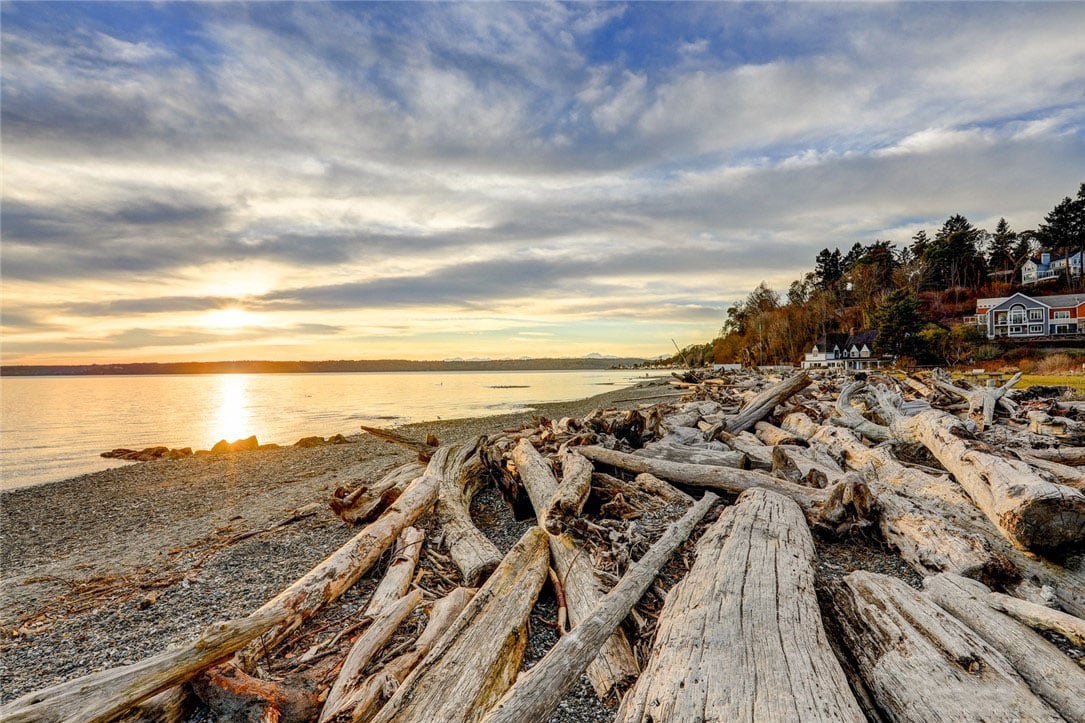
The Cove is one of Normandy Park’s signature community features. According to the Normandy Park Community Club, it includes 18 acres, 700 feet of Puget Sound waterfront, a clubhouse, tennis courts, interpretive trails, two creeks, a duck pond used for salmon rearing, and a wetland area. It is privately owned by about 1,800 households and operates as a nonprofit focused on recreational and social life.
For buyers comparing South King County locations, The Cove helps explain why Normandy Park has such a distinct identity. It is not simply about access to outdoor space. It is also about a community feature that adds texture and gathering places to everyday living.
The club’s active event calendar suggests that The Cove functions as a real community hub rather than a passive amenity. If connection, scenery, and neighborhood traditions matter to you, that can be an important part of the city’s appeal. As with any property-related feature, you will want to understand how access relates to the specific home you are considering.
Normandy Park remains strongly oriented toward detached homes. Official city materials list zoning minimums that include 7,200, 12,500, 15,000, and 20,000 square feet depending on the zone. That is a helpful snapshot of why the city often feels more open than many nearby neighborhoods.
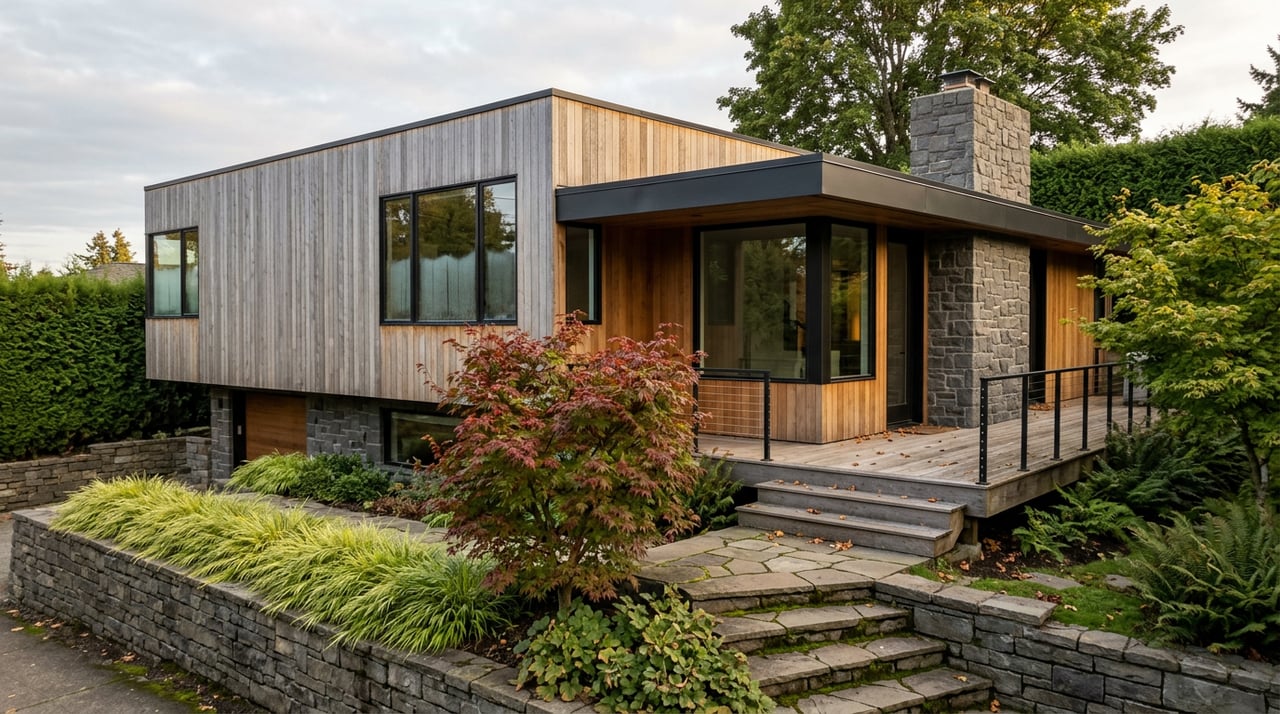
For move-up buyers, this housing pattern can mean more privacy, more mature landscaping, and more potential for long-term customization. A larger lot may give you more room for outdoor entertaining, storage, or future changes to the property. In a broader Seattle-area search, that can be hard to find.
For downsizers, the equation can be more nuanced. You may love the quiet setting and strong sense of place, but a larger lot often means more yard work and maintenance. Normandy Park can be a wonderful lifestyle fit, but it is usually not the most low-maintenance option.
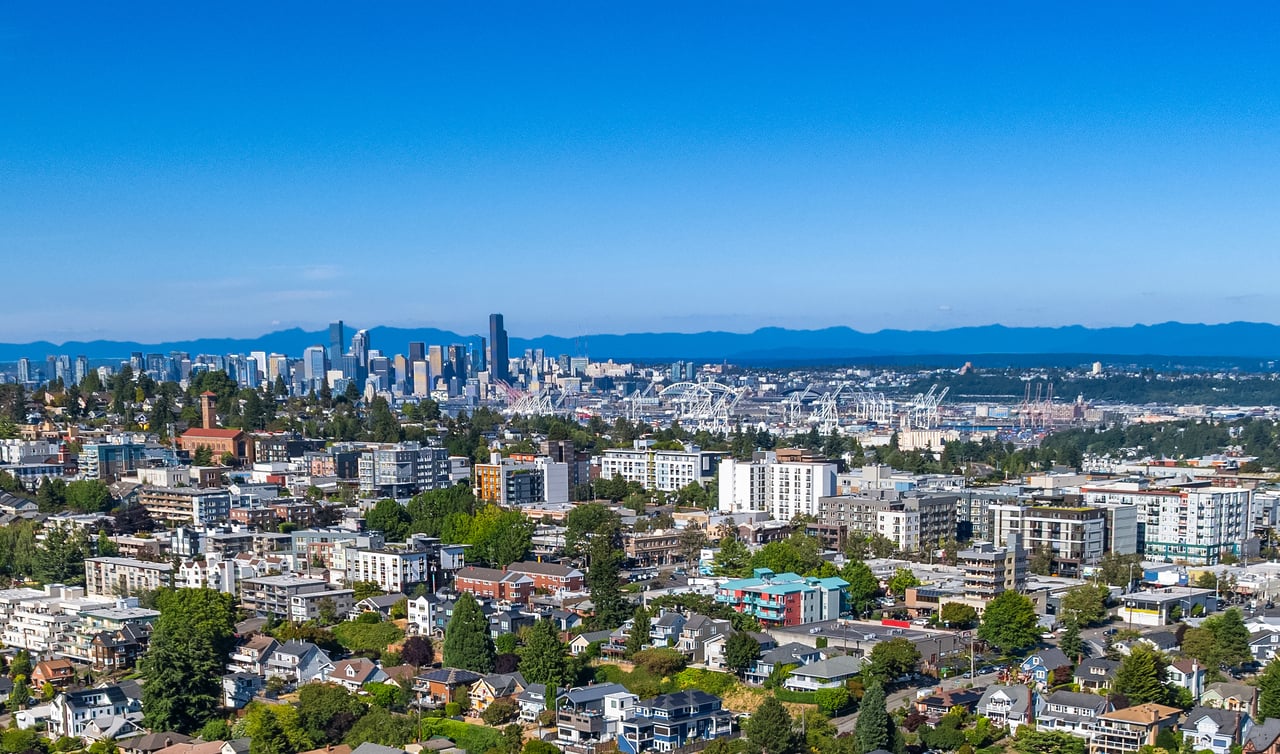
If you are deciding between Normandy Park and nearby cities, lifestyle may matter more than simple map distance. The clearest difference is that Normandy Park sits on the quieter, more wooded end of the spectrum. Nearby alternatives offer different strengths.
Compared with Burien, Normandy Park is the more residential and lower-key choice. Burien’s official materials emphasize its Regional Growth Center, Town Square, central park area, weekly farmers market, and a more mixed-use urban environment. Burien also describes itself as highly walkable and supports a broader range of housing types.
If you want walkability, retail access, and more housing variety, Burien may be the better fit. If you want more land, a calmer pace, and a setting shaped by trees and detached homes, Normandy Park is likely the stronger match. Neither is better in a universal sense. It depends on how you want your days to feel.
Compared with Des Moines, Normandy Park is less centered on public waterfront activity and offers less housing diversity. Des Moines highlights its marina, fishing pier, beaches, waterfront farmers market, and small-town shopping district. It presents a more visibly public-facing waterfront lifestyle.
If you want marina access, more waterfront energy, and a broader mix of housing types, Des Moines may align better with your goals. If you want a more wooded and low-key residential setting, Normandy Park usually stands apart. That distinction can help you narrow your search quickly.
Before you decide whether Normandy Park is right for your next chapter, ask yourself a few practical questions:
Your answers can tell you a lot. Normandy Park is not trying to be the most urban, the most walkable, or the most publicly waterfront-focused option in the area. Its value is in its residential character, natural setting, and sense of space.
When you are choosing a neighborhood for your next chapter, surface-level impressions only go so far. A city can look great on paper, but the real question is how its housing pattern, terrain, lot sizes, and day-to-day feel line up with your goals. That is where local perspective becomes especially valuable.
If you are comparing Normandy Park with West Seattle, Burien, Des Moines, or other nearby communities, it helps to have clear-eyed guidance on tradeoffs. Some buyers need more privacy and room. Others want easier mobility, less upkeep, or more activity nearby. The best move is the one that fits how you actually want to live.
If you are considering a move and want practical advice on neighborhood fit, home style, and long-term value, Monroe Kemper Team / Windermere West Metro – Scott Monroe & Molly Kemper can help you evaluate your options with clarity and confidence.
Stay up to date on the latest real estate trends.