Preparing A View Home For Sale In Magnolia Or Queen Anne
July 9, 2026
July 9, 2026
Wondering how much preparation really matters when you’re selling a view home in Magnolia or Queen Anne? In these neighborhoods, the answer is usually a lot. Buyers are not only judging your home’s condition. They are also reacting to sightlines, outdoor spaces, hillside features, and how well the property captures the setting that makes these areas so sought after. If you want to make smart prep decisions before you list, this guide will walk you through where to focus first. Let’s dive in.
In Magnolia and Queen Anne, the view is often part of the property’s value story, not just a nice extra. About 39% of parcels in Magnolia have some degree of view, often toward Puget Sound, the Olympics or the Seattle skyline. Queen Anne has a similar identity, with more than half of the homes on the hill experiencing some sort of view of the city, Puget Sound, mountains or Lake Union. That means buyers often show up with high expectations about how the home connects to its surroundings.
For you as a seller, that changes the prep strategy. The goal is not just to freshen paint or reduce clutter. It is to protect the things buyers care about most in a hillside, view-oriented property: clear sightlines, safe and usable outdoor areas, and confidence in the home’s condition on the lot.
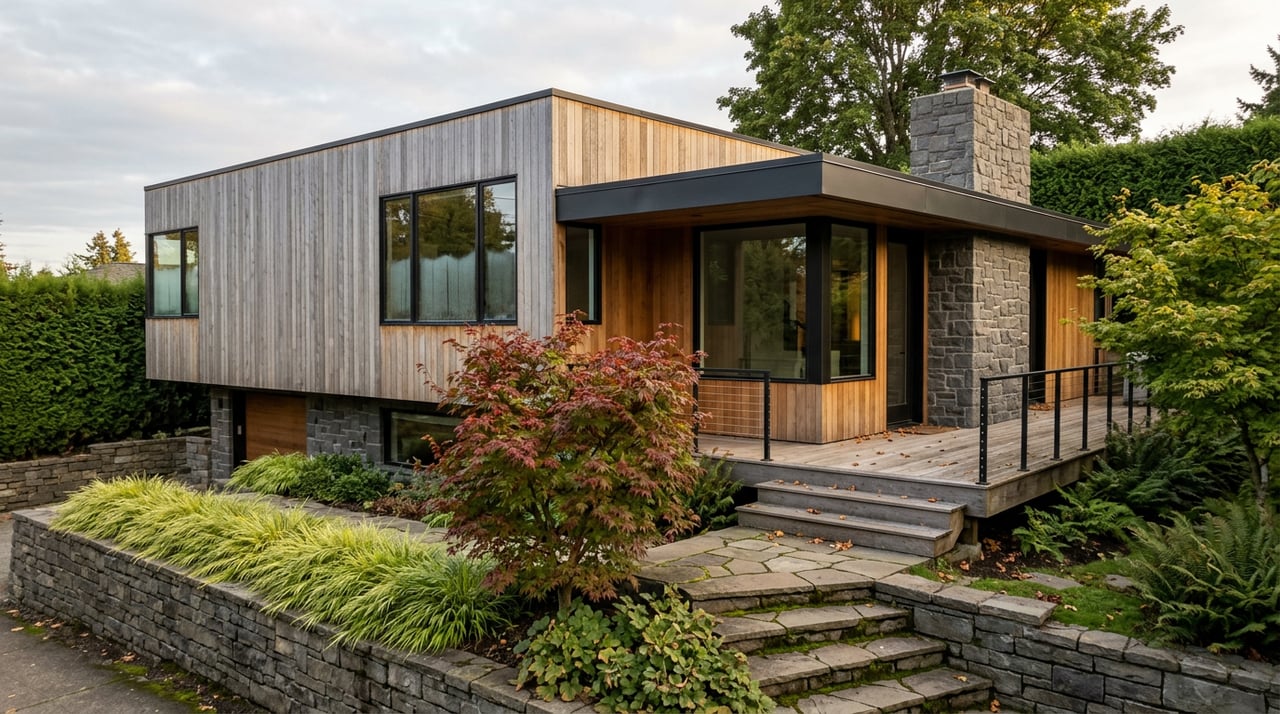
Before you think about staging, start with the exterior items that could raise questions right away. On hill lots, buyers often notice drainage patterns, retaining walls, rockeries, stairs, walkways, railings, decks, and signs of moisture or settling. Even small visible issues can create hesitation when the lot itself is a big part of the home’s appeal.
Seattle’s permitting guidance helps explain why these items matter. Rockeries over 4 feet require a building permit, and grading or retaining wall work near property lines can trigger drainage review and engineering requirements. In practical terms, that means deferred hillside maintenance is not always simple or inexpensive, and buyers may assume the worst if they see obvious concerns.
Your first prep pass should focus on the features buyers will see before they ever step inside. Pay attention to:
Not every repair has to be completed before listing. But if a problem is visible, safety-related, or tied to the lot’s stability, it deserves serious attention early.
It is common for sellers to ask if they should trim trees to improve the view. In many cases, selective trimming can help. But in Seattle, tree work is regulated, so this is not a project to approach casually.
The city’s rules vary depending on where the tree is located. Private-property tree removal generally requires Seattle Department of Construction and Inspections approval. Street trees require permits through the Seattle Department of Transportation. Trees in parks, boulevards, and greenbelts may not be removed for view improvement.
That matters in Magnolia and Queen Anne, where mature landscaping often shapes the setting. A smart approach is to think strategic trimming, not aggressive clearing. Before removing or heavily pruning anything that changes the view line, confirm what is allowed and what permits may be required.
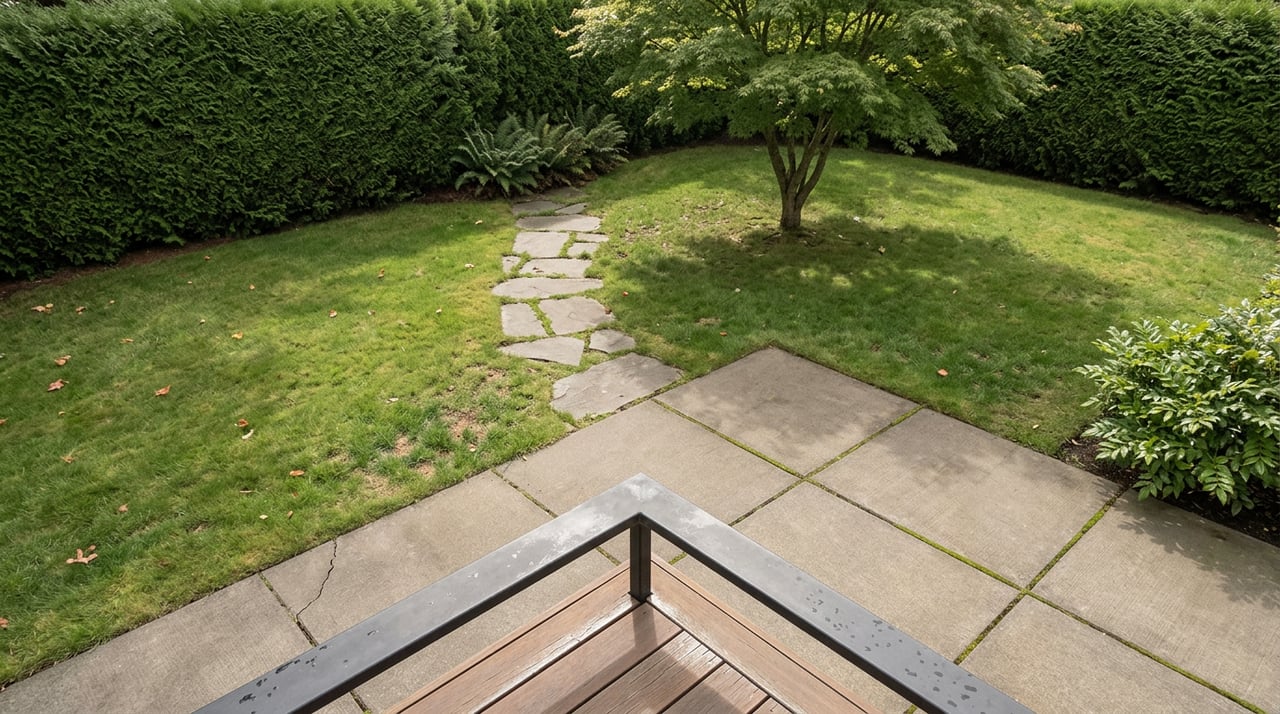
A great view is powerful, but buyers also want to know how they will enjoy it. That is why decks, terraces, patios, and landscaped edges deserve extra attention before your home hits the market. These spaces help buyers picture morning coffee, evening light, and daily living connected to the view.
Start with the basics. Clean surfaces thoroughly, touch up worn finishes where needed, and make sure stairs, gates, railings, and lighting feel safe and well maintained. If a fence, arbor, or deck helps frame the outlook, it should look intentional and cared for.
Seattle’s permit guide notes that many decks on neighborhood-residential lots need only a subject-to-field-inspection permit, while decks more than 18 inches above grade or roof decks require a construction permit. Fences usually do not need a permit, but they still must follow city regulations. If you are considering any last-minute exterior project, make sure the scope fits the timeline and the rules.
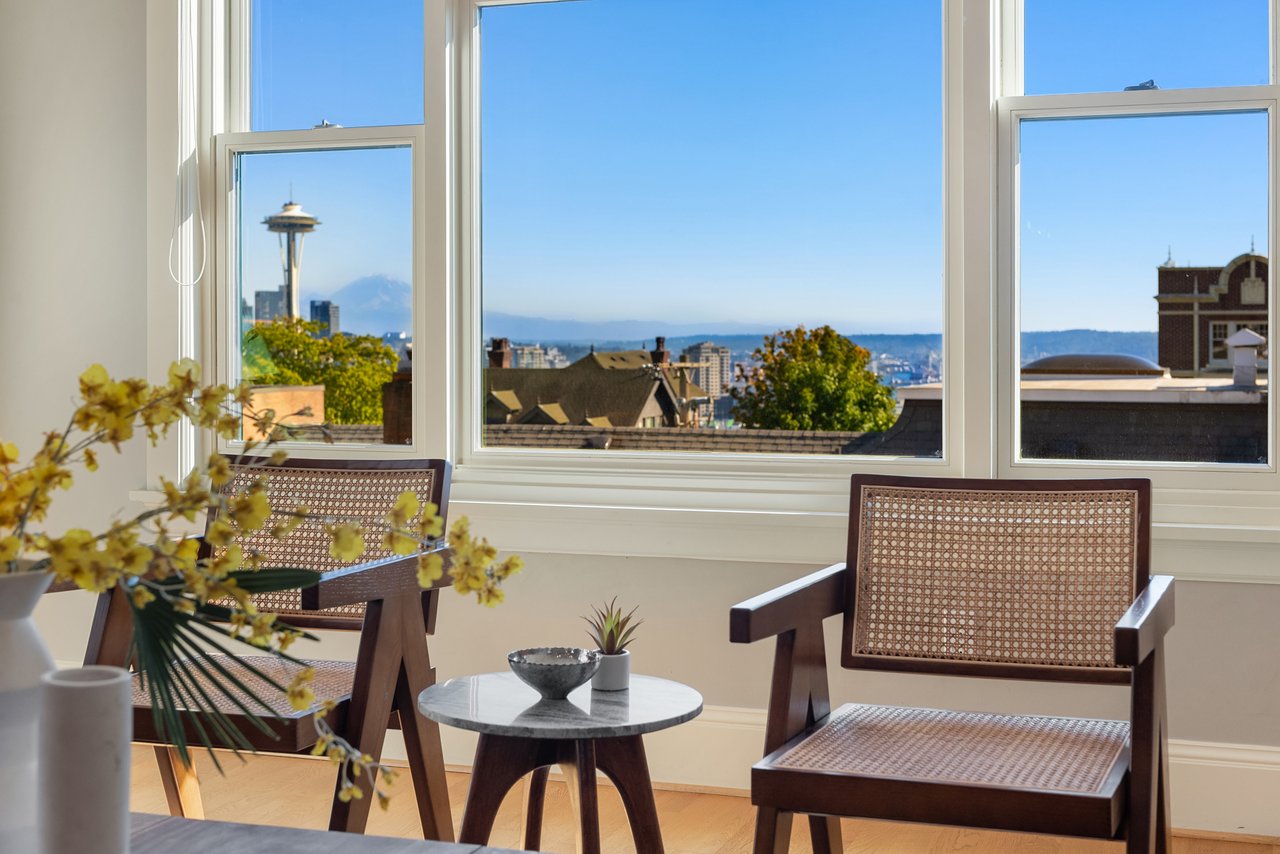
When you stage a view home well, the view becomes the focal point. That usually means reducing visual competition inside the house so buyers look through the room, not just at it. In Magnolia and Queen Anne, that can be one of the biggest differences between a home that feels memorable online and one that feels busy.
According to the National Association of Realtors’ 2025 Profile of Home Staging, 83% of buyers’ agents said staging made it easier for buyers to visualize a property as a future home. Outdoor or yard space was also commonly staged, which is especially relevant for homes with decks, terraces, and bluff-edge or hillside landscaping.
For a view property, staging usually works best when it is restrained and intentional. Focus on:
If a room’s best feature is the skyline, water, or mountain outlook, every design choice should help buyers notice that first.
Most buyers will meet your home online before they ever step through the door. That makes photography especially important for premium view properties.
The same 2025 staging report found that buyers’ agents said photos were important for 73% of clients. It also found that 31% said buyers were more willing to walk through a home they had already seen online. In other words, presentation does not just support the sale. It can influence whether buyers decide to visit at all.
For Magnolia and Queen Anne view homes, listing media should show more than individual rooms. It should tell the story of how the home lives with the view. That often means prioritizing:
This is where thoughtful prep pays off. Clean windows, polished surfaces, simplified rooms, and tidy exterior spaces all make the media stronger.
Even in a seller’s market, strong preparation can create separation. In May 2026, King County had 3.4 months of inventory, which Seattle King County REALTORS® described as still a seller’s market, though more balanced than earlier in the year. The countywide median sales price was $875,000.
That kind of market can reward homes that feel move-in ready, well presented, and clearly worth the asking price. For view properties especially, it is risky to assume scarcity alone will do the work. Buyers spending at the higher end of the market often compare presentation closely, and they tend to notice unfinished prep.
If you are getting ready to sell a Magnolia or Queen Anne view home, here is a smart order of operations:
The best prep plans are usually not about doing everything. They are about doing the right things in the right order.
Selling a view home in Magnolia or Queen Anne calls for a careful balance of construction awareness, design judgment, and strong marketing. When you focus on hillside condition, protect the view, and present the home in a clean, intentional way, you give buyers a clearer reason to connect with the property. If you’re thinking about selling and want a practical plan for what to tackle first, the Monroe Kemper Team / Windermere West Metro – Scott Monroe & Molly Kemper can help you map out the prep, presentation, and strategy that fit your home.
Stay up to date on the latest real estate trends.