What Living on Alki Beach Year-Round is Really Like
July 23, 2026
July 23, 2026
Wondering if Alki Beach still feels magical once summer ends? That is the real question behind year-round living here. If you are thinking about buying, selling, or simply staying in Alki, it helps to look past the postcard version and understand how the neighborhood actually works in January, July, and every month in between. Let’s dive in.
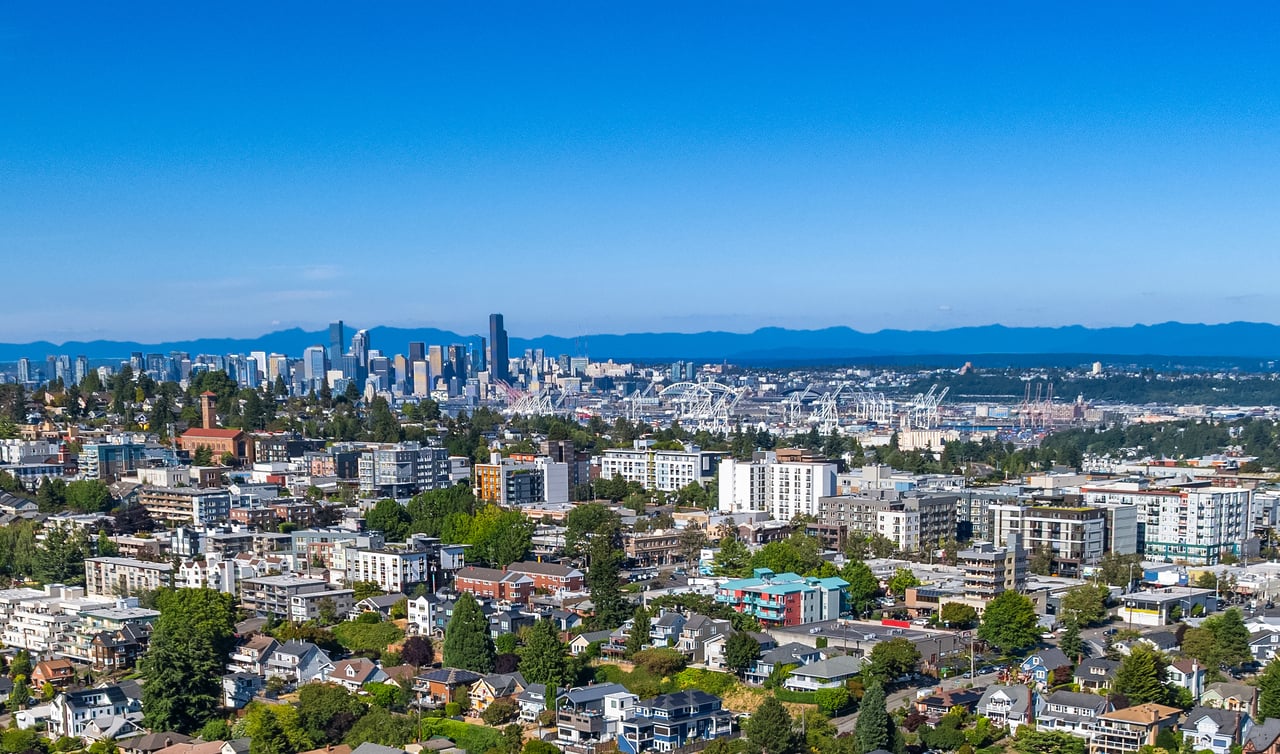
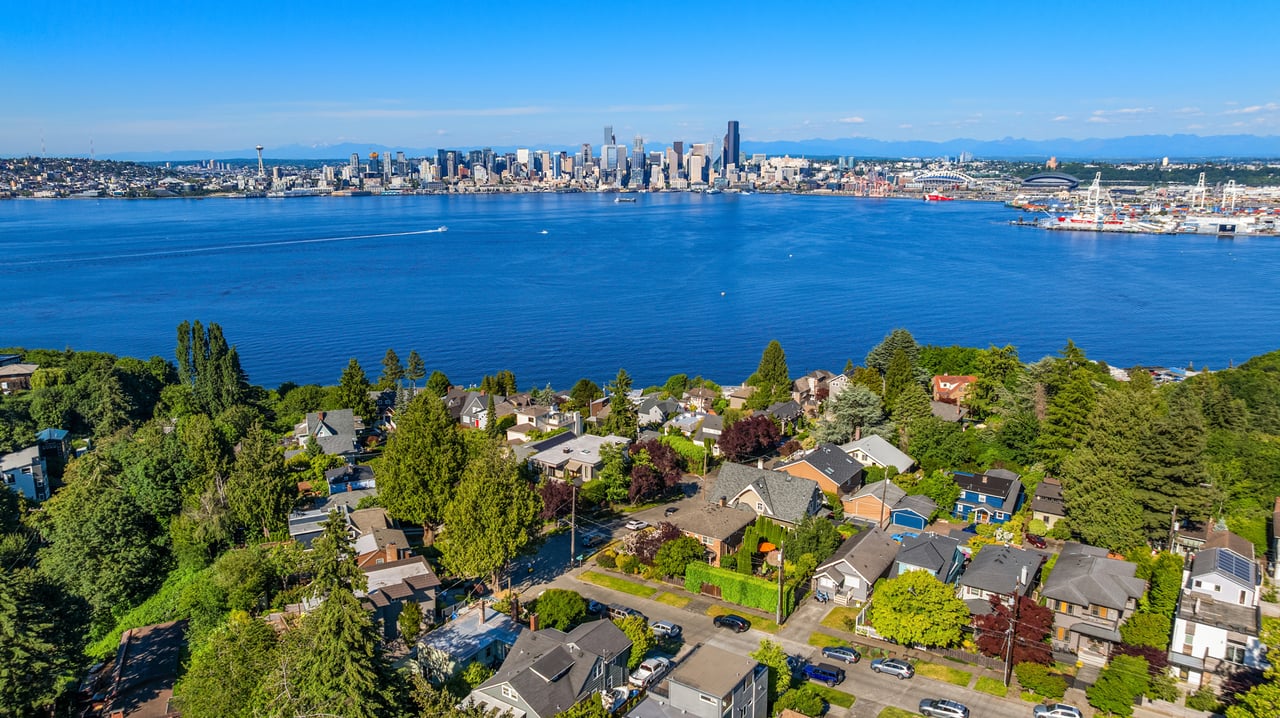
Alki is not just a summer destination. It is one of Seattle’s signature waterfront neighborhoods. Seattle Parks describes it as a place for a long walk any time of year, which is a big part of what daily life here feels like.
This matters because living on Alki year-round is less about treating it like a resort and more about enjoying a public waterfront as part of your normal routine. You get the promenade, the views, and easy beach access, but you also live beside one of the city’s most visited shoreline areas. That mix is a big part of Alki’s appeal.
The beach itself also keeps you grounded in Pacific Northwest reality. Water temperatures typically range from 46°F to 56°F depending on the season, so even in summer the water stays cold. Beach fire pits are available here too, but generally only from Memorial Day to Labor Day, which reinforces how seasonal some parts of the beach experience really are.
If you live on Alki, you will notice that the neighborhood changes shape with the seasons. January and July can feel like two different versions of the same place.
At Seattle-Tacoma International Airport, January averages a 48.0°F high, a 37.7°F low, and 5.78 inches of precipitation. July averages a 77.4°F high, a 56.8°F low, and only 0.60 inches of precipitation. Those numbers help explain why winter in Alki feels more like a bundled-up beach walk and summer feels more social and active.
In colder months, daily life tends to revolve around weather windows, quieter walks, and enjoying the shoreline without the same level of foot traffic. In summer, the beach becomes a major draw for visitors, and that means more activity, more noise, and more competition for shared public space. Neither season is better for everyone, but they are very different.
Even park operations reflect that split. Alki Beach Park closes at 10:30 p.m. from May 1 through September 30, and at 11:30 p.m. from October 1 through April 30. For residents, that seasonal rhythm is part of what makes Alki feel like a living neighborhood instead of a one-note beach strip.
Year-round life here is about routine as much as scenery. You may start to think less about “going to the beach” and more about walking the promenade, checking the weather, and choosing the right time to head out. The water, light, and mountain views are part of the backdrop, but the neighborhood works best when you like being outside in all kinds of conditions.
That is especially true in winter. The beach remains usable for walking year-round, but it is not a warm-water swimming lifestyle. If your idea of daily enjoyment is a long waterfront walk in a jacket, a quick stop at a nearby cafe, and watching changing skies over Elliott Bay, Alki can feel deeply rewarding even in the off-season.
In summer, the energy rises. Longer, drier days bring more people, fuller sidewalks, and a more social atmosphere. For some residents, that buzz is part of the charm. For others, it is the tradeoff they accept for living in such a recognizable waterfront setting.
If you are thinking seriously about living on Alki, parking deserves your attention. This is one of the clearest practical tradeoffs of beach living in the neighborhood.
Seattle Parks notes parking along Alki Ave SW, but city actions show that demand remains an active issue. SDOT’s 2025 work at Duwamish Head converted angled parking to parallel parking, surveyed residents and visitors about adding more waterside parking, and ultimately decided not to install new parking on Alki Ave SW.
That tells you something important. Parking is not a small inconvenience that only shows up on a holiday weekend. It is an ongoing part of life in a high-use waterfront area, especially in busier months.
Seattle’s summer safety plan also identifies Alki Beach as a high-use park that gets extra staffing, clearer signage, maintenance, and weekend-evening support during peak season. For residents, that means the city actively manages the area when visitor activity rises.
You also have to keep regular city rules in mind. Seattle’s 72-hour on-street parking rule still applies, which matters if you rely on curb parking day to day. If you are buying in Alki, parking setup can be more than a convenience feature. It can shape your everyday experience.
The good news is that Alki is not car-only. If driving, bridge traffic, or summer parking feels like a hassle, there is another option nearby.
The West Seattle Water Taxi (aka the foot ferry) operates weekdays and weekends from Seacrest Dock to downtown Seattle. For nearby residents, that can be a meaningful alternative for commuting or getting into the city without dealing with all the usual road friction.
That kind of mobility matters in a neighborhood like Alki. It gives you more ways to enjoy the location and can make year-round living feel more flexible, especially when the beach area gets busy.
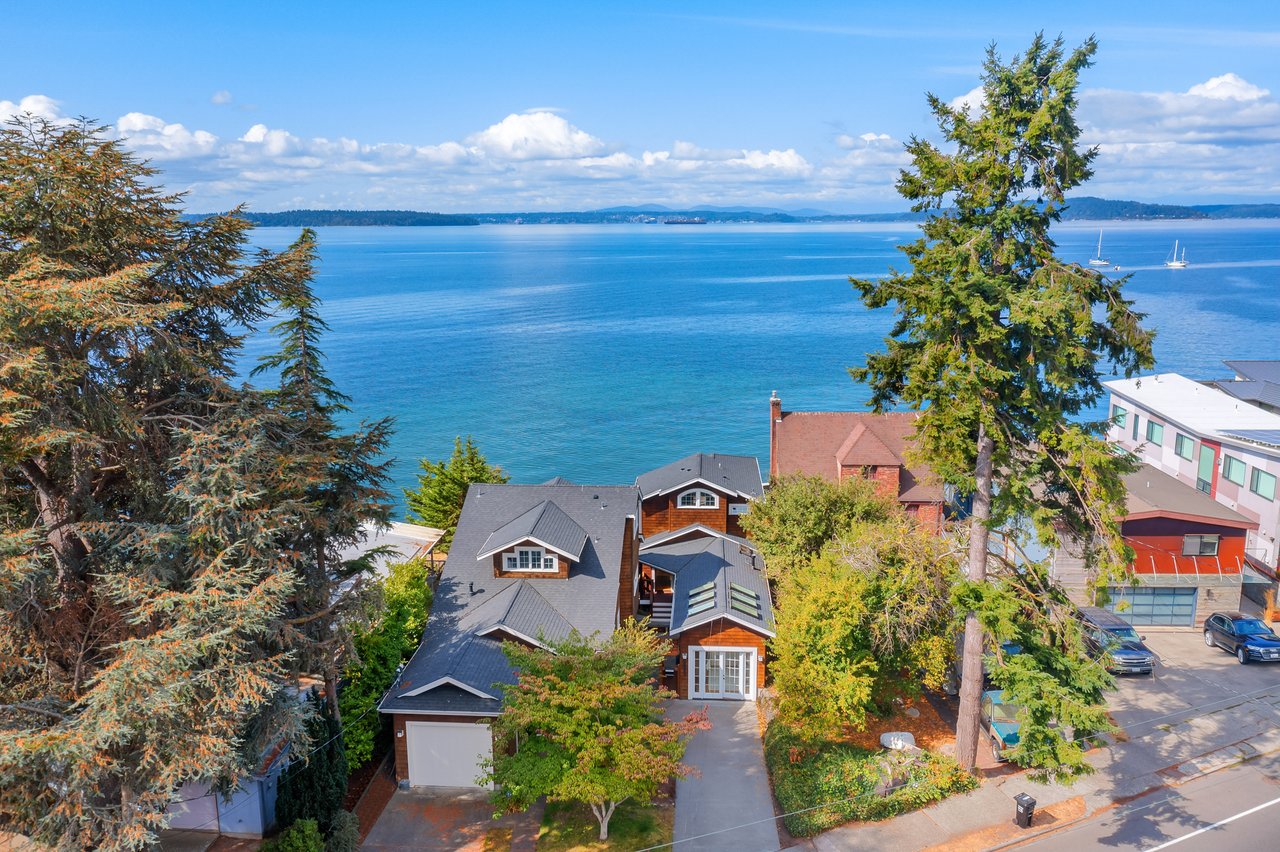
One of the most important things to know about Alki is that it does not have just one housing type or one residential feel. The experience can change quickly depending on whether you are right on the strip or farther uphill. Alki has the largest concentration of non-single-family zoning parcels in the broader area, with many townhomes, duplexes, triplexes and condo buildings. This helps to explain why the beach corridor feels denser and more mixed-use.
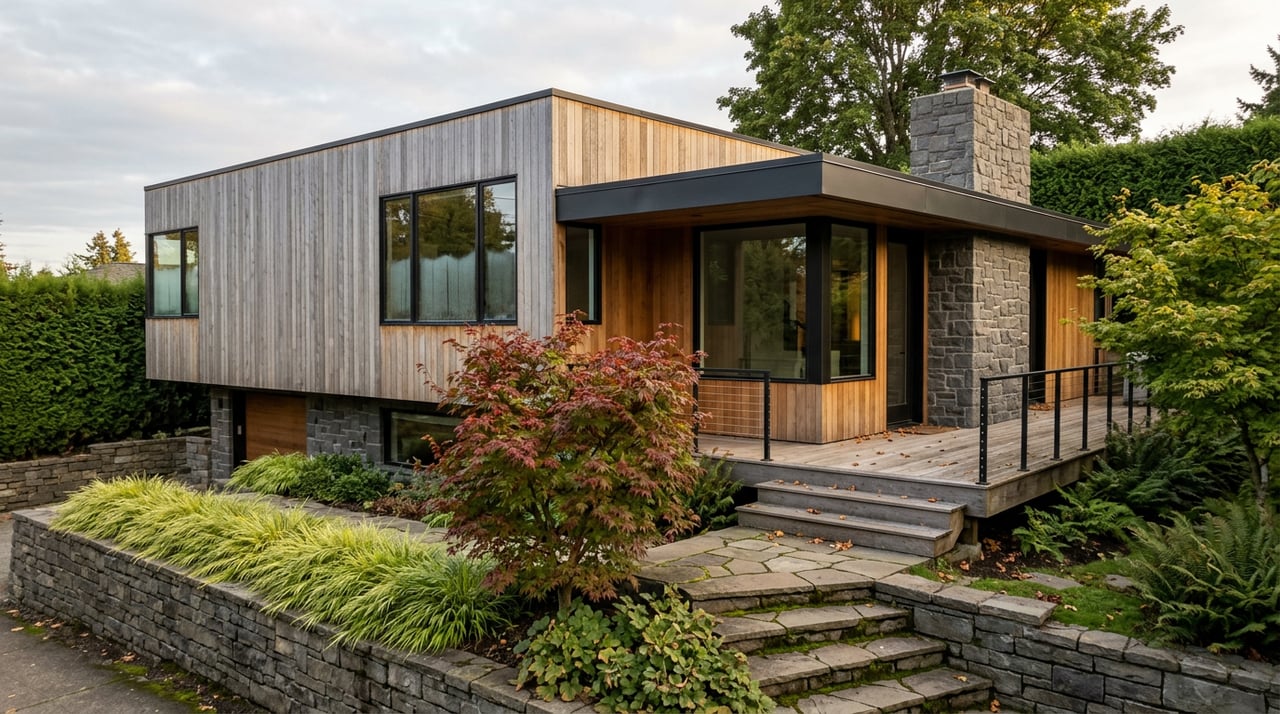
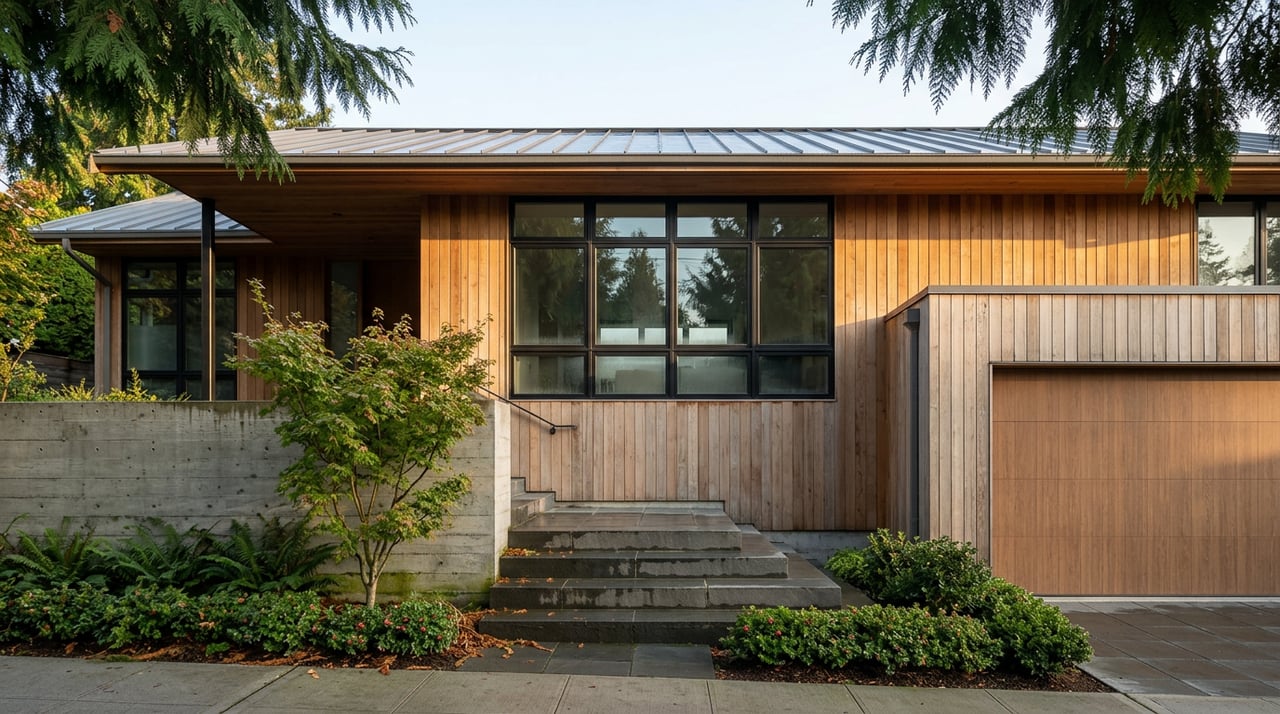
Move away from the sand, and the pattern shifts to more single-family homes. Many of the homes were built between 1900 and 1929, and typical single-family lot sizes often range from 5,000 to 7,000 square feet.
The hillside areas come with a different set of tradeoffs. King County notes that many parcels sit on hillsides with Puget Sound views and topography challenges. In practical terms, those locations may offer more privacy and stronger view orientation, while often asking you to give up some of the immediate convenience of living right on the beach corridor.
Another reason Alki feels established is that nearly all available land in the area is already built out. That usually means the long-term housing pattern is shaped more by renovation, infill, and occasional higher-density replacement than by large new development.
For buyers, that can mean a wider mix of property conditions, design eras, and renovation levels. For sellers, it can mean that presentation, maintenance, and honest property positioning matter a great deal, especially in a neighborhood where buyers often compare lifestyle as much as square footage.
This is also where hyperlocal guidance can be valuable. In a place like Alki, two homes with similar numbers on paper can live very differently based on parking, topography, access, privacy, and how close they are to the busiest parts of the waterfront.
Alki can be a great fit if you want daily access to waterfront scenery and you understand the tradeoffs that come with a popular public beach. The neighborhood tends to appeal to people who like walking, value views, and are comfortable with a more seasonal rhythm.
You may appreciate Alki most if you are looking for:
It may take a little more thought if your top priorities are easy guest parking, a consistently quiet environment near the beach strip, or a warm-weather beach lifestyle. Alki offers something more nuanced than that, and for many people, that is exactly the draw.
Living on Alki Beach year-round is not about pretending every day feels like summer. It is about choosing a neighborhood where the waterfront is part of your everyday life, even when the skies are gray and the wind picks up.
That is what makes Alki compelling. You get beauty, movement, and a strong sense of place, along with the real-life considerations of weather, crowds, parking, and housing tradeoffs. If you want a Seattle beach neighborhood with substance as well as scenery, Alki offers a lifestyle that feels both distinctive and livable.
If you are weighing a move in Alki or planning to sell a home here, working with a team that understands West Seattle block by block can make a real difference. The Monroe Kemper Team / Windermere West Metro – Scott Monroe & Molly Kemper can help you evaluate the tradeoffs, position your home thoughtfully, and make a confident next move.
Stay up to date on the latest real estate trends.