What To Expect From Townhome Living In South Seattle
July 2, 2026
July 2, 2026
Looking for a home that feels more like a house than a condo, but with less upkeep than a detached property? That is exactly why many buyers start considering townhomes in South Seattle. If you are weighing neighborhoods like Beacon Hill, Columbia City, or Hillman City, it helps to know how these homes are typically built, what tradeoffs come with them, and which details matter most before you buy. Let’s dive in.
South Seattle townhomes often attract buyers who want a more urban lifestyle without moving into a high-rise building. Neighborhoods like Beacon Hill, Columbia City, and Hillman City offer distinct settings, but they share a pattern that works well for attached housing: access to neighborhood businesses, established residential blocks, and Link light rail service nearby.
Beacon Hill Station and Columbia City Station sit on the 1 Line, which helps explain why townhomes are a strong fit in these areas. If you want easier access to other parts of Seattle while keeping a more residential feel, that combination can be very appealing.
In Seattle, townhomes are generally attached homes where each unit runs from the ground to the roof and has its own separate entrance. They are not typically stacked on top of one another like many condos, except in some cases over a shared parking garage.
That legal definition shapes the way these homes feel in everyday life. In most cases, you can expect a direct front door, multiple levels, and at least one shared wall with a neighboring unit.
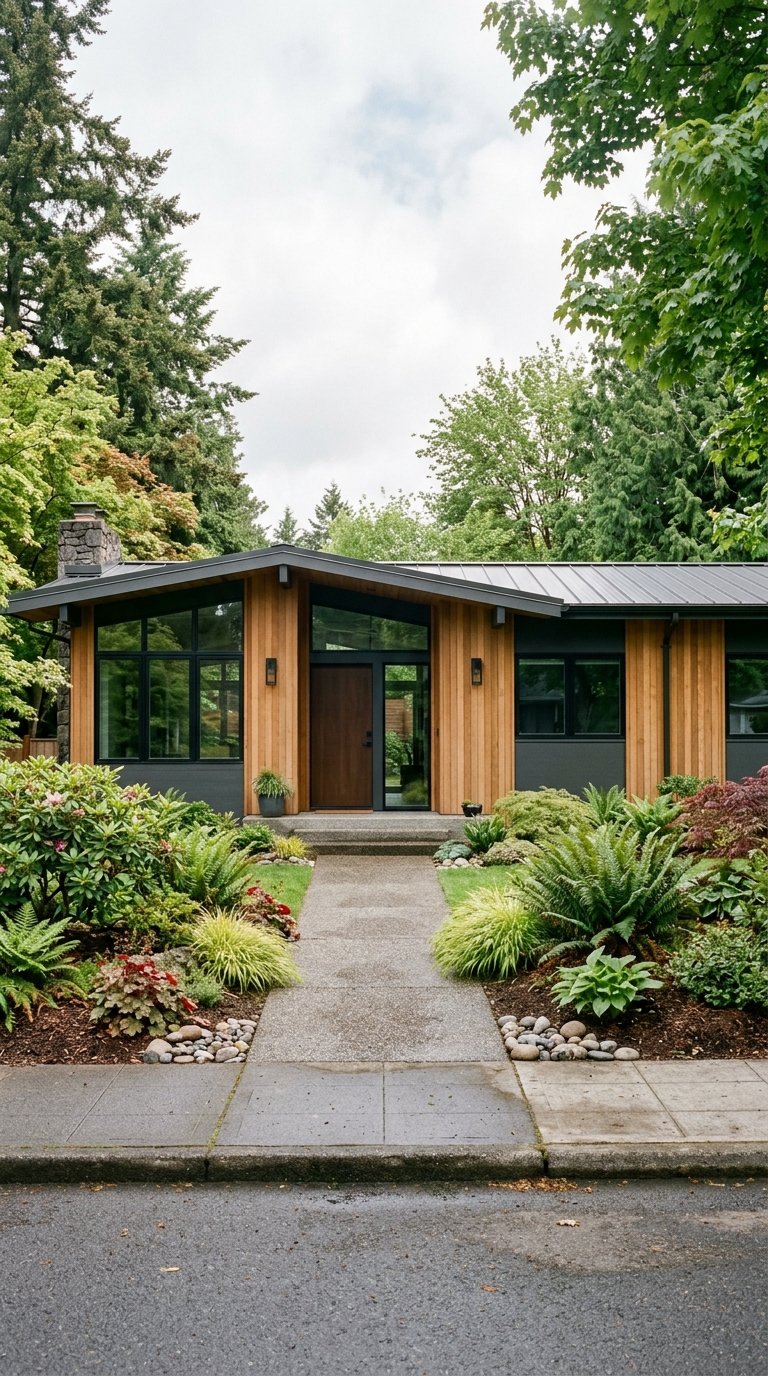
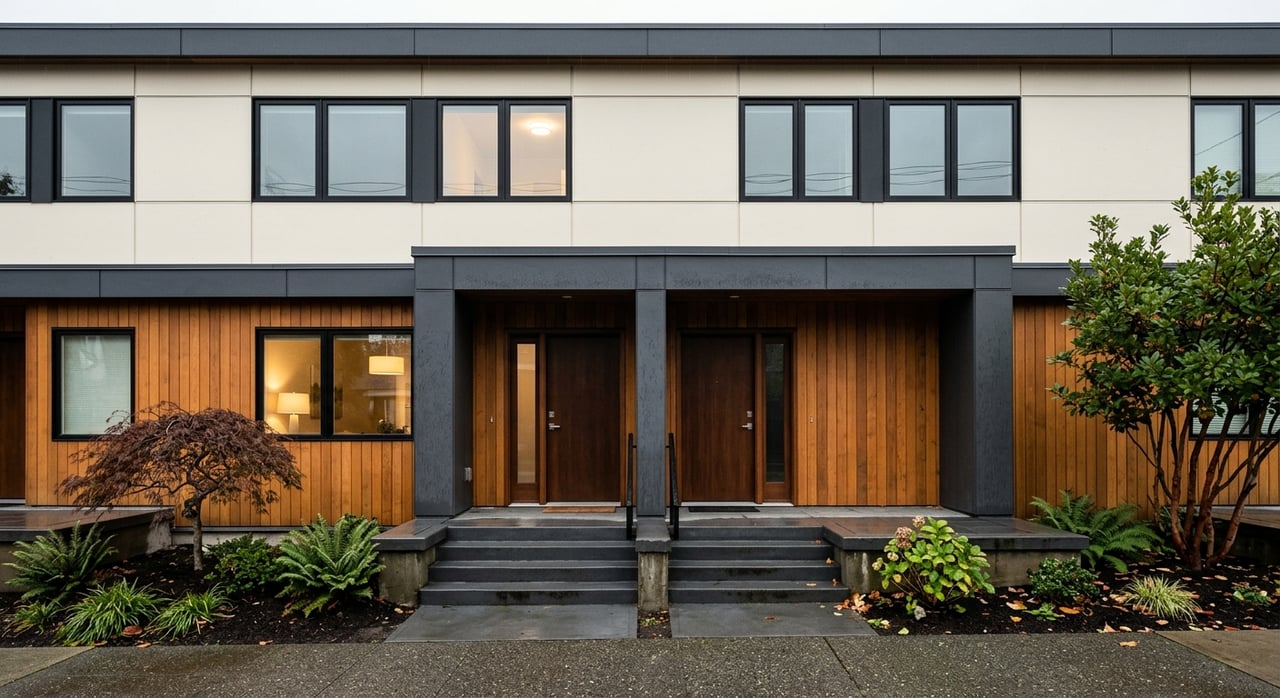
Seattle’s design standards push townhomes to face the street and provide clear pedestrian access to each unit. Entries are meant to be visible and prominent, often with design features like stoops or porches.
In practical terms, that often creates the familiar South Seattle look: narrow, vertical homes with clearly defined entrances and a strong connection to the sidewalk or street frontage. If you like the idea of a home that feels independent at the front door, this is one reason townhomes can feel more house-like than many condo options.
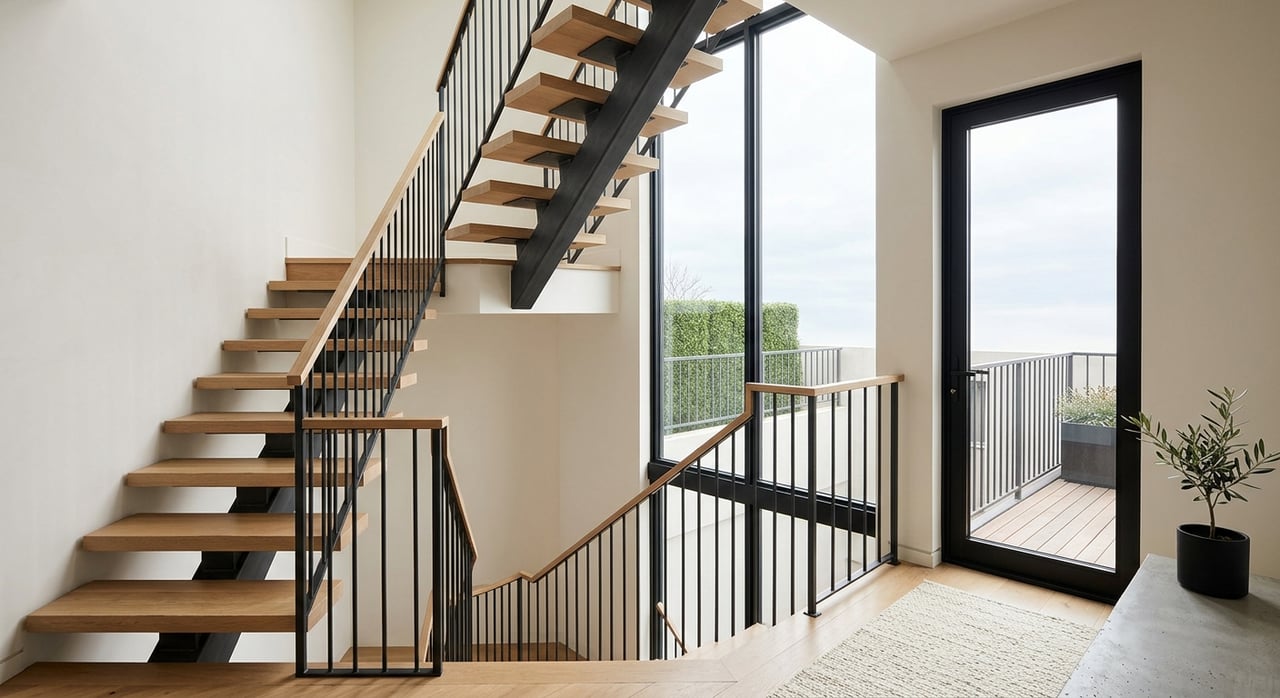
One of the biggest adjustments in townhome living is getting comfortable with stairs. Many South Seattle townhomes are built on narrow lots, so square footage is usually stacked across multiple floors rather than spread out on one level.
That can work very well if you value separation between living, sleeping, and flex spaces. It can feel less ideal if you want all your main rooms on one floor or simply prefer a more open, spread-out layout.
Beacon Hill’s long ridge and steep topography have influenced how homes are sited and built. On sloped lots, parking, storage, and living areas may land on different levels.
That is one reason Beacon Hill townhomes often emphasize features like garages, rooftop decks, and extra storage instead of large, flat yards. If you are touring townhomes there, pay close attention to how the entry, garage, and main living floor connect in real life.
Parking is one of the most important practical details to review before buying a townhome in South Seattle. Seattle regulates parking size, driveway width, slope, maneuvering space, curb cuts, and related site design, so the parking setup often depends on the specific lot and permit history.
Seattle’s current parking table lists townhouse and rowhouse developments at one space per dwelling unit. That does not mean every space looks the same, though.
You may see parking configured in several ways:
For buyers, the key is not just whether parking exists, but how easy it is to use every day. A garage with extra storage, rear access from an alley, or a tighter maneuvering area can each create a very different ownership experience.
If you are moving from a detached house or hoping for a big private yard, this is an area where expectations matter. South Seattle townhomes often trade yard space for location, layout, and lower exterior maintenance.
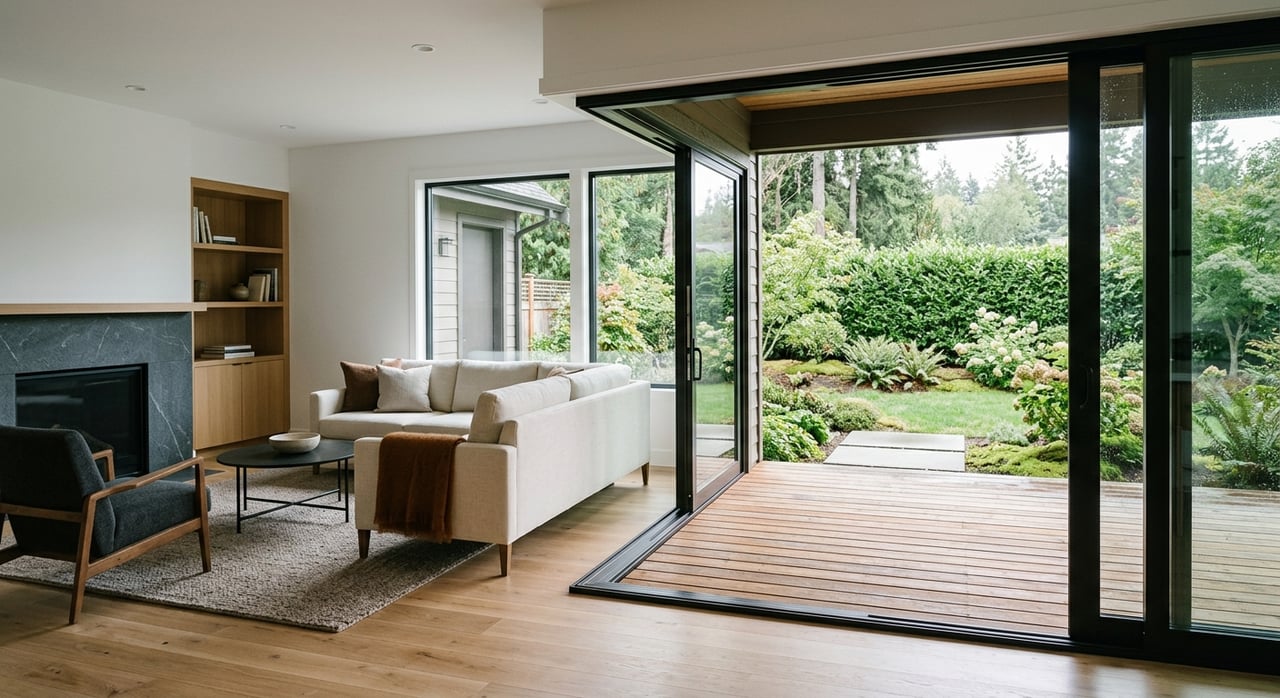
Instead of a full yard, outdoor space is more commonly delivered through features like balconies, decks, rooftop decks, patios, or small fenced areas. These spaces can still be very functional, but they are usually more curated and compact.
Recent South Seattle listing examples show a wide range of possibilities. Buyers may come across homes with private balconies, rooftop decks, rear decks, covered patios, or small fenced yards.
That range is helpful, but it also means you should not assume all townhomes offer the same lifestyle. If outdoor living matters to you, compare homes based on the type, size, privacy, and usability of the outdoor area, not just whether one exists.
One of the most common misconceptions about townhomes is that they all work the same way. In reality, the ownership and maintenance structure can vary quite a bit.
Under Washington’s common-interest-community law, owning a unit in some communities includes sharing costs tied to taxes, insurance, maintenance, or improvements of common elements. The association generally maintains common elements, while the owner maintains the unit unless the governing documents say otherwise.
For you as a buyer, that means the real story is in the documents. Some townhomes have HOA dues and shared maintenance responsibilities. Some newer stand-alone townhomes may be marketed with no HOA dues at all.
The label alone does not tell you enough. You will want to understand:
If flexibility matters to you, this step is essential. A townhome may look and feel like a detached house in some ways, but the governing structure can be very different.
For many buyers, townhomes sit in the middle ground between condos and detached houses. They often provide more privacy and a more direct-entry feel than a condo, while still asking less of you in terms of land and exterior upkeep than a single-family home.
That said, they also come with tradeoffs. Shared walls, smaller outdoor areas, and possible HOA rules are all part of the equation.
| Home Type | Typical Strengths | Typical Tradeoffs |
|---|---|---|
| Townhome | Direct entry, multi-level layout, more house-like feel, often lower maintenance than detached homes | Shared walls, stairs, smaller outdoor space, ownership rules may vary |
| Condo | Often simpler exterior maintenance, shared amenities in some cases | Less privacy, more shared space, stacked living is common |
| Detached Home | More land, more exterior control, no shared walls | More maintenance, often higher upkeep demands |
The right fit depends on your priorities. If you want a balance of privacy, location, and a smaller maintenance footprint, a townhome can make a lot of sense.
When you walk through South Seattle townhomes, it helps to look beyond finishes and staging. The details that shape daily life are often the ones buyers notice later.
Try to evaluate each property with a practical lens, especially if you are comparing several homes in Beacon Hill, Columbia City, or Hillman City.
These are the details that often separate a townhome that merely looks good from one that truly works for your life.
South Seattle townhome living is often a strong fit if you want a house-like setup, a smaller maintenance load, and good access to neighborhood amenities and transit. It can be especially appealing if you value direct entry, efficient use of space, and a more urban location.
It may be a less natural fit if your top priorities are a large yard, broad freedom to change the exterior, or a property that feels fully separate from shared rules. In other words, townhomes are often a compromise product, but for many buyers, a very livable and smart one.
If you are comparing attached homes in South Seattle, the most important questions usually are not just about price or bedroom count. They are about how the home is sited, how parking works, what outdoor space you actually get, and what the ownership documents require.
If you want clear-eyed advice on how a specific townhome lives day to day, the Monroe Kemper Team / Windermere West Metro – Scott Monroe & Molly Kemper can help you evaluate the details that matter before you make a move.
Stay up to date on the latest real estate trends.
The Local Knowledge, Market Insight, and Hands-On Service That Can Change Your Results.