Shoreline vs Northwest Seattle for Your Next Home
June 18, 2026
June 18, 2026
Wondering whether Shoreline or Northwest Seattle is the better fit for your next home? It is a common question, especially if you want a balance of commute options, home style, outdoor access, and price. The right answer depends on how you want to live day to day, and this guide will help you compare the tradeoffs clearly. Let’s dive in.
If you want a more residential setting with current light rail access, Shoreline stands out. The City of Shoreline describes itself as primarily residential, and more than 70% of households are single-family. At the same time, the city is adding more townhomes, apartments, and middle housing near transit.
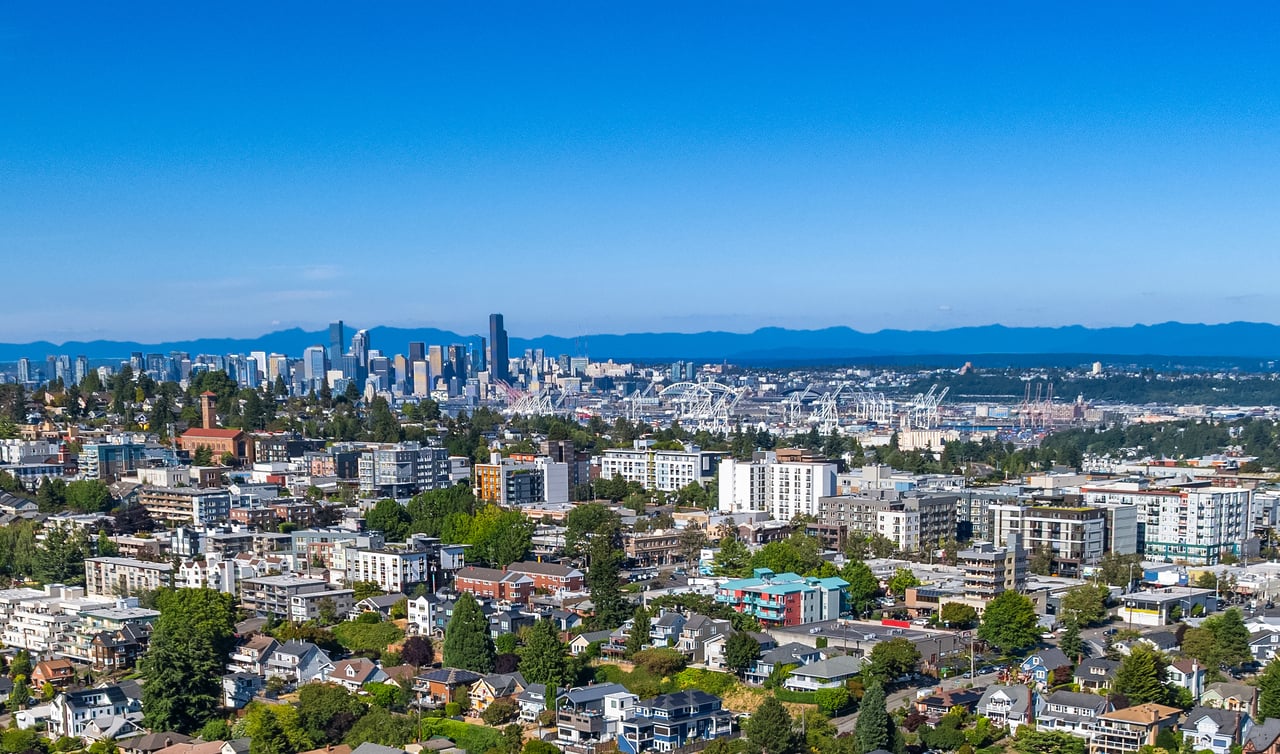
Northwest Seattle offers a more urban, mixed-use feel today. In Ballard, Greenwood, and Phinney Ridge, you will find an older Seattle street grid, more established commercial corridors, and a stronger street-oriented pattern of shops and services. In simple terms, Shoreline generally feels more spacious and residential, while Northwest Seattle tends to feel more connected to Seattle’s denser urban fabric.
One of Shoreline’s biggest advantages is that light rail is already in place. Sound Transit’s Lynnwood Link extension launched on August 30, 2024, and Shoreline South/148th Station includes 500 parking spaces, bike parking, bus bays, and service from routes 1 and 2 along with several bus connections.
That can be a major plus if you want a commute option that does not rely only on buses or driving. Shoreline is also improving the 145th and 185th corridors to make station access easier for people walking, biking, driving, and riding transit. One practical note is that the 145th corridor is still under construction, so you may run into temporary detours or delays in that area.
In Ballard, Greenwood, and nearby areas, transit is still centered on buses. Route 5 connects Shoreline Community College through Greenwood, Phinney and Fremont to downtown Seattle. Route 40 serves Ballard, Crown Hill, Fremont, South Lake Union, and downtown, while Route 44 links Ballard with Fremont, Wallingford, and the University District.
That gives Northwest Seattle a well-established bus network, especially if your routine already lines up with those routes. Future rail is part of the long-term picture, but not the current one. The Ballard Link Extension remains in planning, with service scheduled for 2039.
If current rail access is high on your list, Shoreline has a clear edge right now. If you are comfortable with a bus-based commute and want to be in a more urban Seattle setting, Northwest Seattle may feel more natural.
The key is to think beyond the map. Ask yourself how often you will actually use transit, whether station parking matters to you, and how much current construction impacts your daily routine.
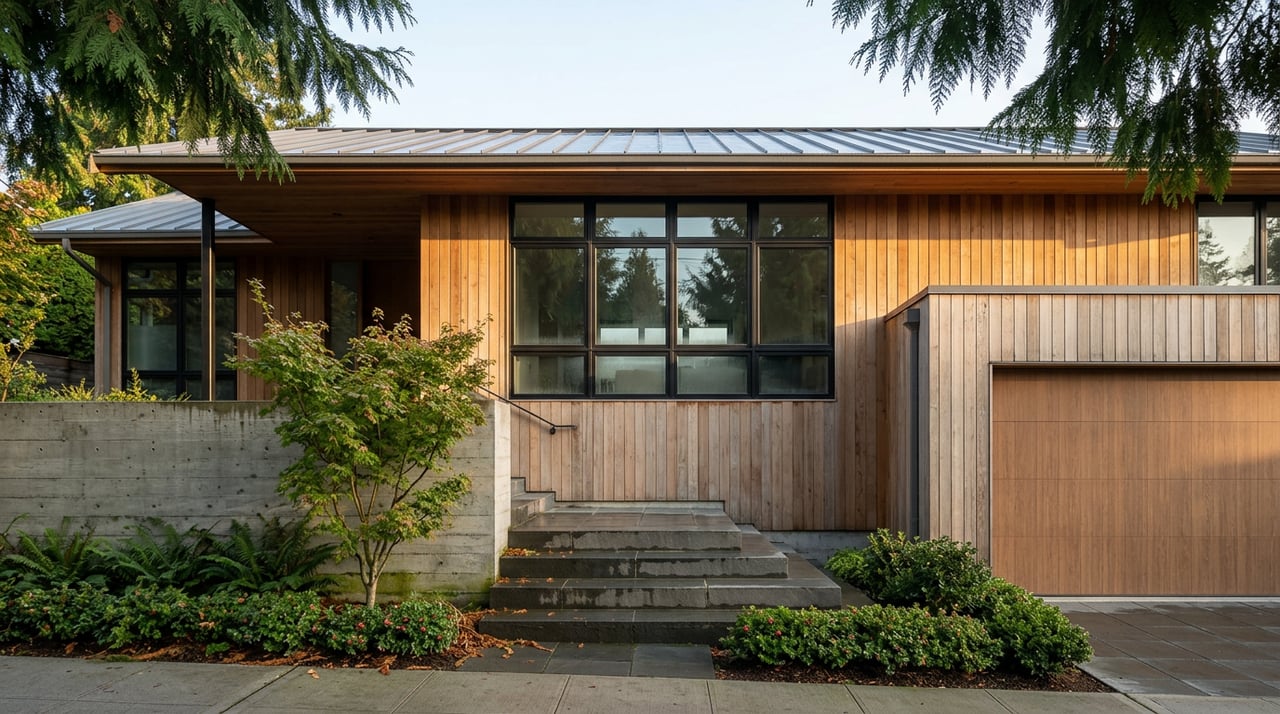
Shoreline still has a strong detached-home presence. According to the city, more than 70% of households are single-family, though that mix is starting to change near transit areas. The city’s middle-housing guidance includes duplexes, triplexes, fourplexes, courtyard apartments, townhouses, multiplexes, and live/work units.
Recent development also shows that denser housing is growing. Shoreline’s 2025 performance report notes 38 completed townhomes and 1,125 apartment units in five new buildings. For buyers, that means you may find a wider mix of property types over time, especially close to stations and growth areas.
Ballard, Greenwood, and Phinney Ridge typically offer a more established Seattle pattern. Ballard Avenue is a historic commercial district, and Greenwood and Phinney planning guidance emphasizes street-oriented commercial buildings and a mix of residential and commercial streets.
For you, that often translates into a more walkable, active streetscape with homes closer to shops and services. The tradeoff can be less private outdoor space, a denser built environment, and in some cases a higher price point depending on the neighborhood and property type.
Price is one of the biggest decision points, but it helps to compare these areas carefully. The current median sale prices from May 2026 are:
These numbers work best as broad market markers, not perfect side-by-side comparisons. Each area has a different housing mix, so the median can reflect very different property types.
Phinney Ridge is clearly the premium end of this comparison. Ballard sits a bit above Shoreline, while Greenwood is currently lower than both Shoreline and Ballard. That does not mean one area is automatically a better value than another. It means your budget may stretch differently depending on the type of home you want and how much you value location, lot size, transit, or neighborhood setting.
This is where clear property analysis matters. A lower median price may come with a different home style, lot configuration, or level of updating than what you would find in another neighborhood.
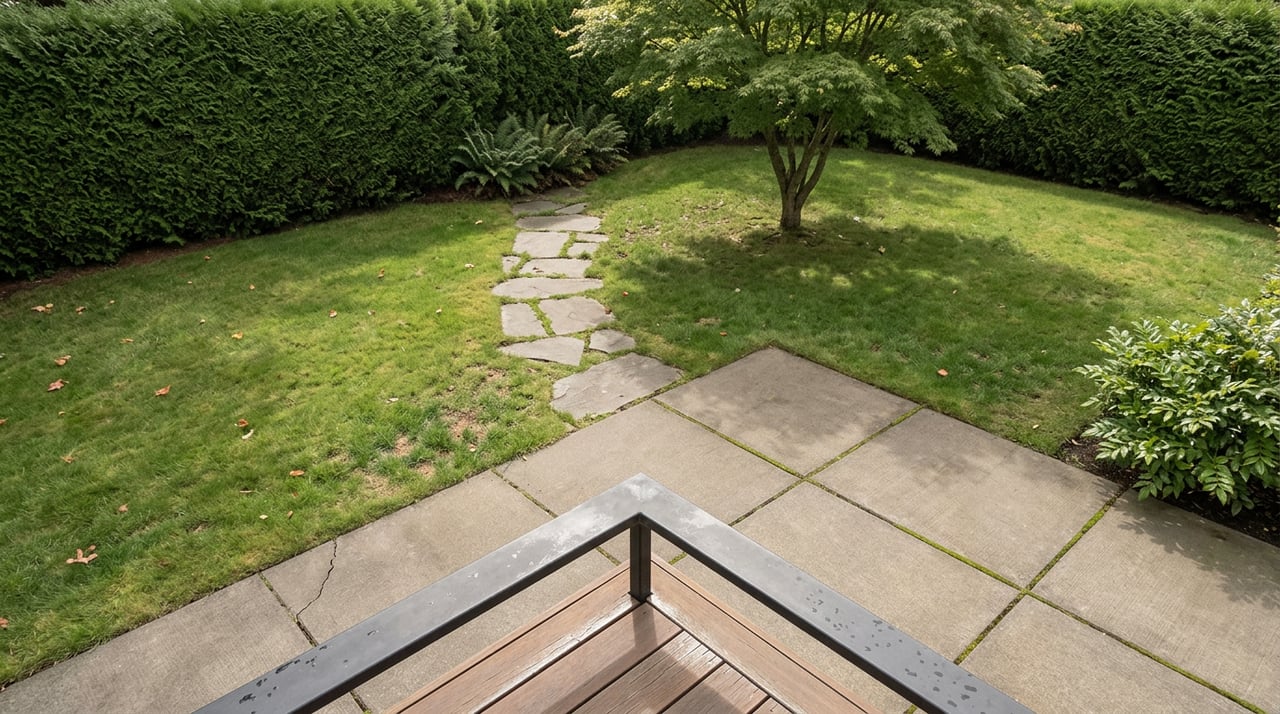
If outdoor space is a top priority, Shoreline has a strong case. The city highlights more than 400 acres of park land and open space, along with major outdoor assets like the Interurban Trail, Richmond Beach Saltwater Park, Boeing Creek Open Space, and North City Park.
Shoreline is also planning the Trail Along the Rail, a 2.5-mile shared-use path that will run parallel to light rail. If you want easy access to larger natural areas and multi-use trails without living in the middle of a dense commercial district, Shoreline may be especially appealing.
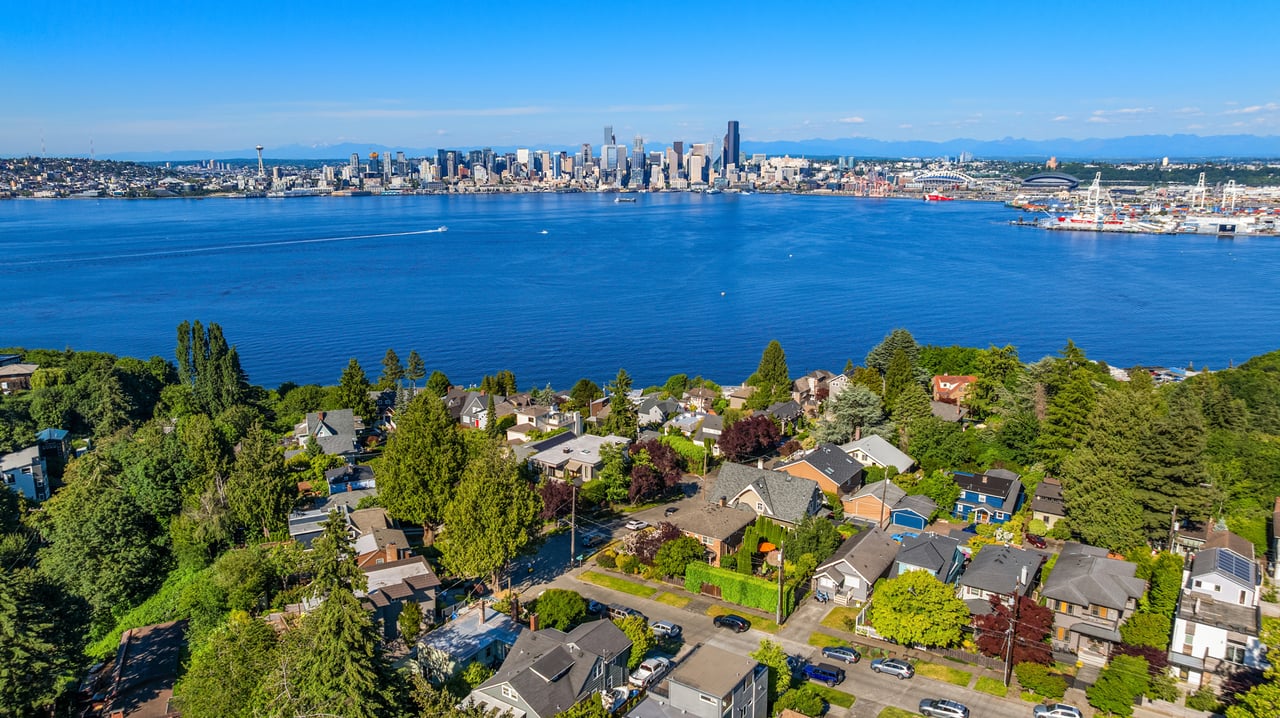
Ballard offers a different kind of outdoor and retail experience. Golden Gardens brings beach, forest-trail, and waterfront access, while the Burke-Gilman Trail is a major multi-use route. Ballard Avenue also gives the neighborhood a compact commercial core with boutiques, studios, galleries, and other small businesses.
If you like having outdoor destinations and a concentrated main-street feel close together, Ballard stands out. It tends to offer one of the strongest all-in-one urban neighborhood experiences in this comparison.
Greenwood and Phinney Ridge can feel like a middle ground between Shoreline and Ballard. The area benefits from Green Lake Park’s 2.8-mile loop, Woodland Park, and improved access toward the Burke-Gilman Trail from the 6th Ave NW greenway.
Seattle’s neighborhood materials also point to a mix of commercial and residential streets, along with nearby gathering spaces such as the Phinney Neighborhood Association, Greenwood Branch Library, Greenwood Senior Center, and Woodland Park Zoo. For many buyers, that creates a balanced feel with solid park access and an established neighborhood rhythm.
Shoreline’s retail pattern is still evolving. The 145th Street subarea plan identifies Aurora Village and the 145th and 15th node as grocery-anchored centers, while future retail growth is tied in part to station-area development.
The 185th corridor strategy is also aimed at creating gathering spaces and encouraging neighborhood businesses. Shoreline’s Town Center update is focused on making that area more welcoming and easier to navigate. For you, that means convenience is there, but some commercial areas may still feel more spread out or in transition.
In Northwest Seattle, the commercial pattern tends to feel more mature and built in. Ballard’s historic core is the clearest example, but Greenwood and Phinney also have established storefront corridors integrated into the neighborhood fabric.
That can make daily errands, coffee stops, or casual dining feel more naturally woven into everyday life. If you want that classic Seattle neighborhood feel, this is one of Northwest Seattle’s strongest advantages.
Shoreline may be the better fit if you want:
Northwest Seattle may be the better fit if you want:
There is no single winner here. The right choice depends on what matters most in your routine, your budget, and the type of home you want.
A smart next step is to compare specific homes, not just ZIP codes or neighborhood names. In this part of the market, small differences in location, transit access, lot size, home condition, and street feel can have a big impact on both daily life and long-term value.
If you want help weighing Shoreline against Ballard, Greenwood, or Phinney Ridge, the Monroe Kemper Team / Windermere West Metro – Scott Monroe & Molly Kemper can help you compare the tradeoffs with clear, practical advice.
Stay up to date on the latest real estate trends.