Condo Or Townhome In Central Seattle? How To Decide
July 16, 2026
July 16, 2026
Wondering whether a condo or a townhome makes more sense in Central Seattle? You are not alone. Many buyers start with the idea that a townhome means more space and a condo means less hassle, but the real answer depends on ownership, monthly costs, privacy, and the rules tied to a specific property. If you want a clearer way to compare your options before you fall for a listing, this guide will help you sort through the tradeoffs. Let’s dive in.
The first thing to understand is that condo and townhome do not automatically mean the same kind of ownership.
In Washington, a condominium is a common-interest community where you own your individual unit separately, while other parts of the property are commonly owned. Under state law, the association is responsible for maintaining, repairing, and replacing common elements, and you are generally responsible for maintaining your own unit.
In Seattle, many townhomes are sold fee-simple. That usually means you own the home and the land that goes with it, which can make the property feel more like a house in terms of ownership.
That said, the label alone does not tell you everything. Some Seattle townhomes are still part of an HOA or another common-interest structure, so the recorded documents are what really determine dues, maintenance responsibilities, and who handles shared elements.
Price is only part of the picture. Your monthly housing cost can look very different depending on whether you buy a condo or a townhome in Central Seattle.
HOA dues are usually paid separately from your mortgage, and they can add a meaningful amount to your monthly budget. That is why it is smart to look at your all-in housing payment, not just your loan payment.
Seattle’s January 2026 affordability tables offer a useful local example. Those tables assume $150 per month in HOA dues for townhomes and $350 per month for condos, along with different insurance assumptions. These are program assumptions, not standard market rates, but they show how carrying costs can diverge.
Insurance is part of that cost picture too. Condo association dues often include master insurance for common areas, but you still need your own insurance for the interior of your unit.
A low monthly due can look appealing at first glance, but it does not always mean a property is a better value.
In Washington common-interest communities, reserve studies are generally required unless an exemption applies. If reserves are weak, that can lead to deferred maintenance, higher owner contributions later, borrowing, or special assessments.
For condo buyers, the resale certificate is one of the most important due diligence documents. It must disclose monthly common expense assessments, special assessments, unpaid obligations, reserves, the current budget, insurance coverage, and the current reserve study.
That information can tell you a lot about the health of the building and whether the monthly dues seem realistic for the property’s needs. In many cases, a well-run association with solid reserves can feel more predictable than a lower-dues property with bigger future risks.
Your day-to-day lifestyle should play a big role in this decision.
Seattle’s 2025 draft housing appendix, based on 2022 recorded sales, found that fee-simple townhouses averaged 1,434 square feet and 2.7 bedrooms. Condominium-owned multifamily units averaged 924 square feet and 1.5 bedrooms.
That is a meaningful difference. If you want room for a home office, more storage, a guest room, or a layout that feels less compact, a townhome may fit your life better.
If you prefer a smaller footprint and less interior space to manage, a condo may feel like the simpler choice. For many buyers in Central Seattle, the right answer comes down to how you actually live from Monday through Sunday, not just how a listing looks online.
Privacy is another major difference between these property types.
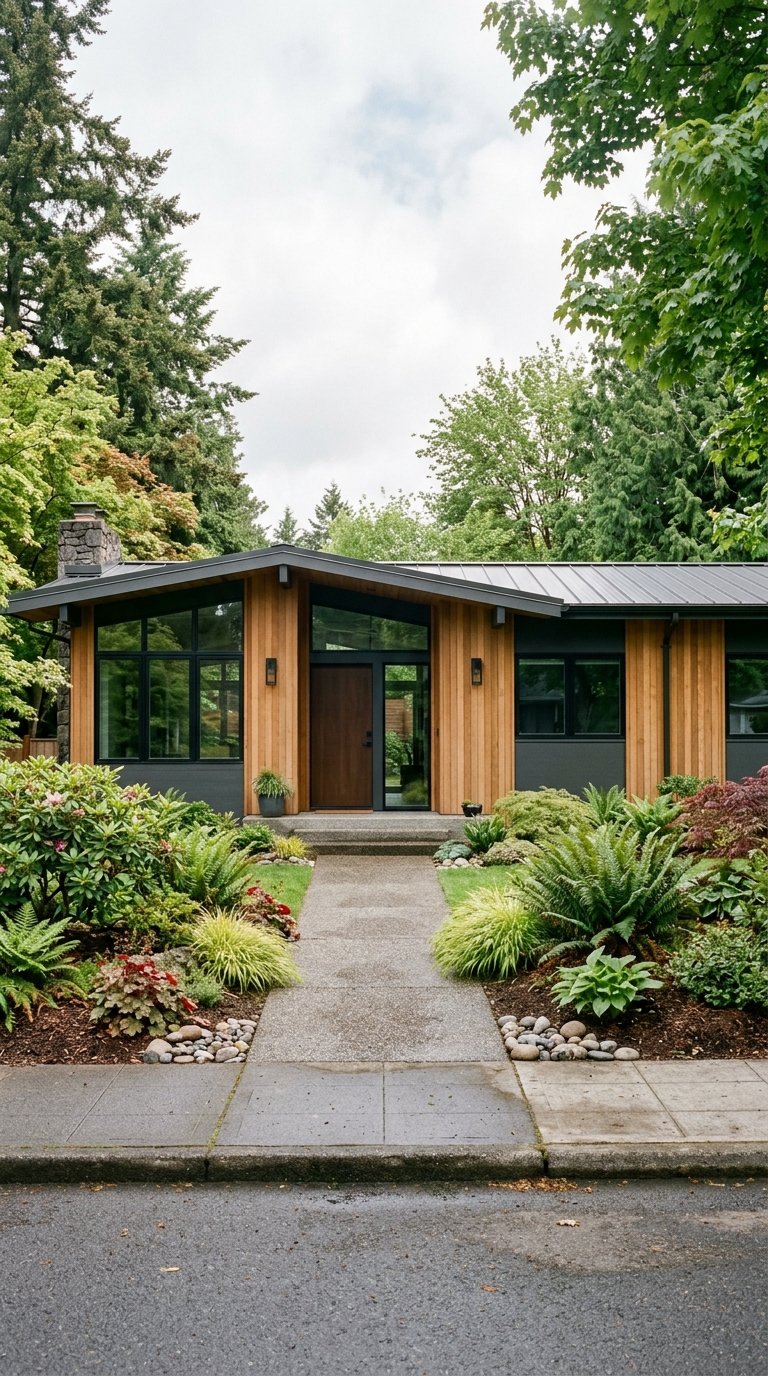
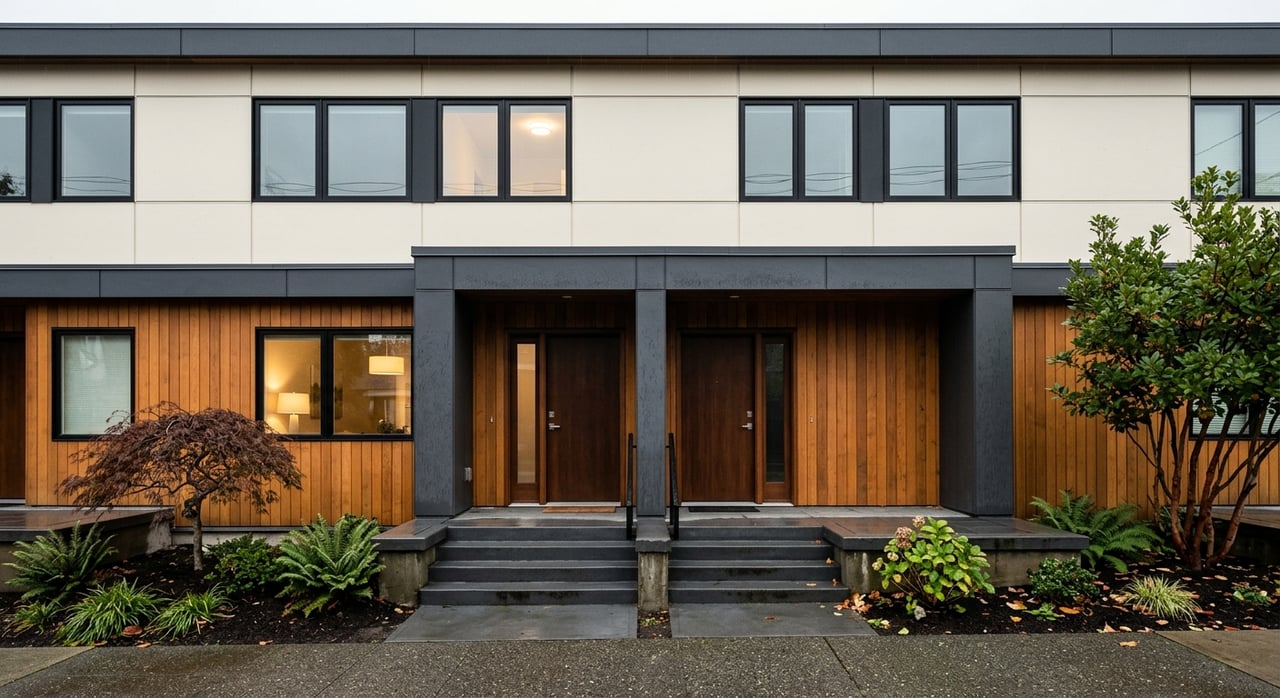
Seattle’s Residential Code covers townhouses with no more than three stories and separate entrances, and the city says townhouses must have open space on at least two sides. In practical terms, that often gives townhomes a more house-like feel.
That design can translate to less vertically shared living and more direct outdoor access. If stepping outside from your own entry matters to you, townhomes often have the edge.
Condos can still be a strong fit if you value convenience and shared building systems more than private outdoor space. But if you know you want a separate entrance, easier pet access, or a little more breathing room, a townhome may better match your priorities.
A condo or townhome can look perfect on the surface and still come with rules that change how you use it.
For condo buyers, it is important to review governing documents for pet limits, rental restrictions, renovation rules, insurance language, and any assessment details. In Washington, much of this information is surfaced through the resale certificate package, which makes it a key part of your review process.
For townhomes, one of the biggest questions is whether you are buying true fee-simple land ownership or a townhome inside a common-interest community with shared elements and reserve obligations. That distinction can affect your monthly costs, maintenance expectations, and long-term flexibility.
This is where careful review matters. Two properties that both look like townhomes in Central Seattle can come with very different obligations once you read the documents.
Financing is another place where condos and townhomes can part ways.
Condo financing can involve project-level review. Lenders may need to confirm whether the building meets eligibility requirements, which can lead to extra questions and added documentation.
That does not mean condos are a bad choice. It simply means you should expect the building itself to be part of the financing conversation, not just your personal qualifications.
With a townhome, the key financing and diligence issue is often the ownership structure. Confirming whether the home is fee-simple or part of a broader common-interest setup can help you understand both lender expectations and your future obligations.
If you are stuck between the two, start with your top priorities rather than the property type itself.
A condo may be the better fit if you want:
A townhome may be the better fit if you want:
Then take one more step before you get emotionally attached. Compare the actual dues, reserve health, insurance boundaries, pet rules, rental rules, and any planned or possible special assessments for the specific property you are considering.
In Central Seattle, buyers are often balancing location, lifestyle, and long-term cost all at once. A condo can offer a streamlined ownership experience in a denser setting, while a townhome can offer more space and a more independent feel.
Neither option is automatically better. The right choice depends on how you want to live, what monthly cost structure feels comfortable, and how much complexity you are willing to take on in exchange for space or convenience.
A thoughtful comparison now can save you stress later. When you understand the ownership structure, the monthly costs, and the governing documents, you can make a decision with a lot more confidence.
If you want help comparing condos and townhomes in Seattle with a practical eye on value, condition, and long-term fit, the Monroe Kemper Team / Windermere West Metro – Scott Monroe & Molly Kemper can help you evaluate the details and move forward with clarity.
Stay up to date on the latest real estate trends.
The Local Knowledge, Market Insight, and Hands-On Service That Can Change Your Results.